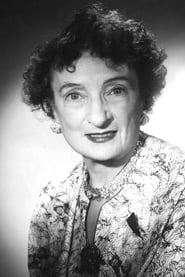
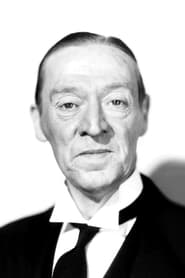
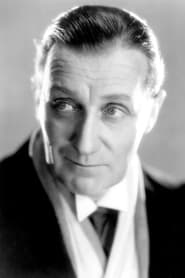
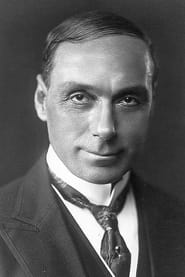
La Moglie di Frankenstein backdrop
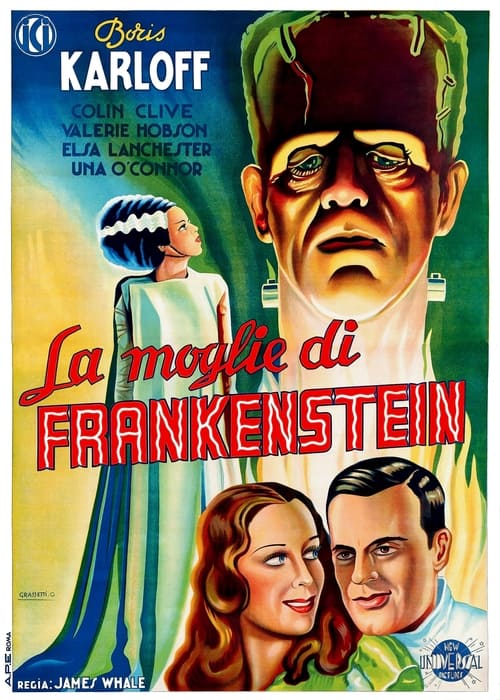
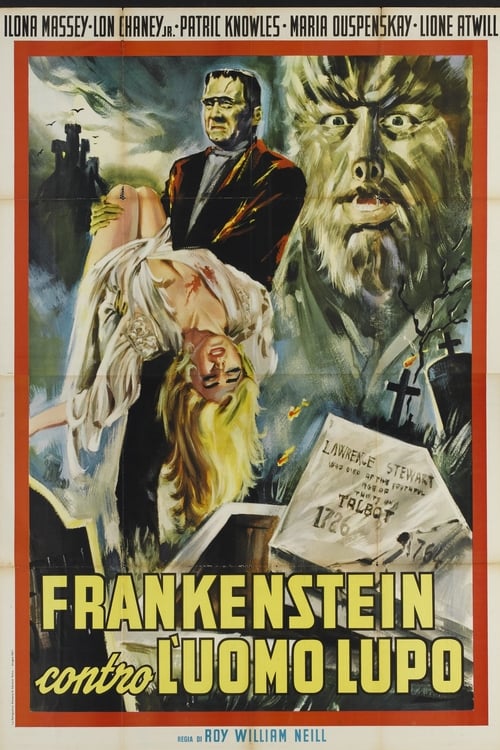
La Moglie di Frankenstein poster

LA MOGLIE DI FRANKENSTEIN

Bride of Frankenstein

1935 US HMDB
aprile 20, 1935

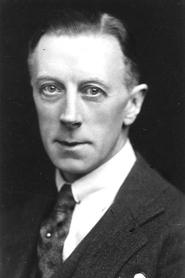
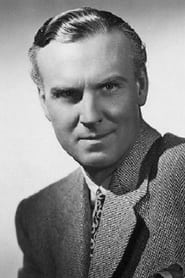
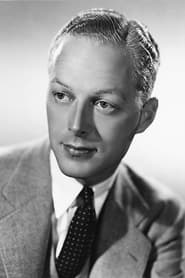
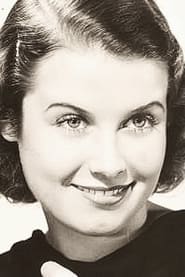
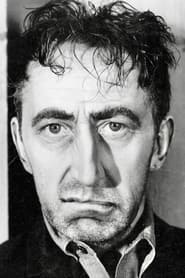
Henry Frankenstein (Colin Clive) ha deciso di mettere la testa a posto dopo le tremende vicende vissute in Frankenstein e di sposare Elizabeth (Valerie Hobson). Ma riceve la visita del bizzarro dottor Pretorius (Ernest Thesiger) che ha una proposta per lui: unire le forze per creare una donna per il mostro. Frankenstein rifiuta, ma Pretorius gli mostra quanto è riuscito a realizzare: minuscoli esseri perfettamente vivi, tenuti in contenitori di vetro. Frankenstein resiste e allora Pretorius fa rapire Elizabeth dal mostro (Boris Karloff), desideroso di una moglie, per costringere Frankenstein ad aiutarlo in quel folle compito.

Cast

👍 👎 🔥 🧻 👑

Commenti

Commenti (0)

Troupe

Produzione: Carl Laemmle Jr. (Producer)
Sceneggiatura: Robert Florey (Story)Edmund Pearson (Screenplay)William Hurlbut (Screenplay)
Musica: Franz Waxman (Original Music Composer)
Fotografia: John J. Mescall (Director of Photography)

RECENSIONI (1)

Marco Castellini
Frankenstein non è morto, ritorna dal suo creatore per chiedergli una compagna con cui dividere la sua triste esistenza. Il dottore lo accontenta ma la promessa sposa rifiuta di unirsi al mostro. Tragica ecatombe finale. Un classico dell’orrore in bianco e nero, precursore dei trash moderni. Adatto solo agli horrorofili più convinti.
👍 👎 🔥 🧻 👑

Commenti

Commenti (0)

RECENSIONI DALLA COMMUNITY (2)

CinemaSerf

CinemaSerf

7 /10

Ernest Thesiger is superb in James Whale's sequel to "Frankenstein" as the scientist who has perfected the art of growing rather than harvesting tissue. When he meets up with Baron Frankenstein's original monster they set about coercing the reluctant Baron to create a wife for the lonely Boris Karloff. This is a cracking tale of science fiction, horror and even romance as the monster ends up endowed with far more "humanity" than either scientist. Una O'Connor and Elsa Lanchester are both great too, though feature sparingly. The special effects stand better scrutiny than many a sci-film being made twenty years later and the cannibalised classical musical score brings tension, joy, love and despair a-plenty to compensate for, admittedly a rather stilted script. Easily amongst the best "Frankenstein" films ever made in my book.

Wuchak

Wuchak

7 /10

Dr. Frankenstein and his former mentor try to create a mate for the monster

The monster (Karloff) survives the windmill burning of the previous film and wanders the countryside of Bavaria while Doctor Pretorius (Ernest Thesiger) approaches Baron Frankenstein (Colin Clive) with the idea of collaborating to create a mate for the monster, which presumably will domesticate him.

This Universal classic from 1935 was one of the first sequels to a mainstream film and arguably started the concept of a movie franchise or, at least, a cinematic trilogy: The 1931 movie, this sequel, and the follow-up “Son of Frankenstein” (1939) all feature Boris Karloff as the monster along with other overlapping actors and characters. It has a story arc and comes to a clear ending in the third flick.

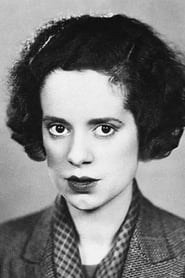
Valerie Hobson is a highlight on the female front as Elizabeth Frankenstein (replacing Mae Clarke from the first film). Meanwhile Elsa Lanchester plays the dual role of Mary Shelley and the titular character at the end.

The prologue presents a glaring issue since Mary conveys this sequel to Lord Byron and Percy Bysshe Shelley not long after the success of “Frankenstein,” which was published in 1818. Since the film obviously contains fashions & technology of the early 1930s mixed with elements of the 1800s (which the director described as an “alternate universe”), Mary would have to be predicting what it would be like in the distant future, at least 1899 (which is the tomb’s date on a recently deceased woman in the story).

This is one of those rare occasions where the sequel is better. It’s marked by increased camp (but not overkill), the monster’s memorable friendship with a blind man in the forest, and the fact that he learns to speak in a monosyllabic fashion (which Karloff objected to). It’s an iconic addition to the Frankenstein story, a Gothic horror tragedy highlighted by unforgettable renditions of the monster and his “bride.”

The B&W movie runs 1 hour, 15 minutes, and was shot entirely in the studio at Universal Studios in Greater Los Angeles.

GRADE: B+

Recensioni fornite da TMDB