
Saltar al contenido
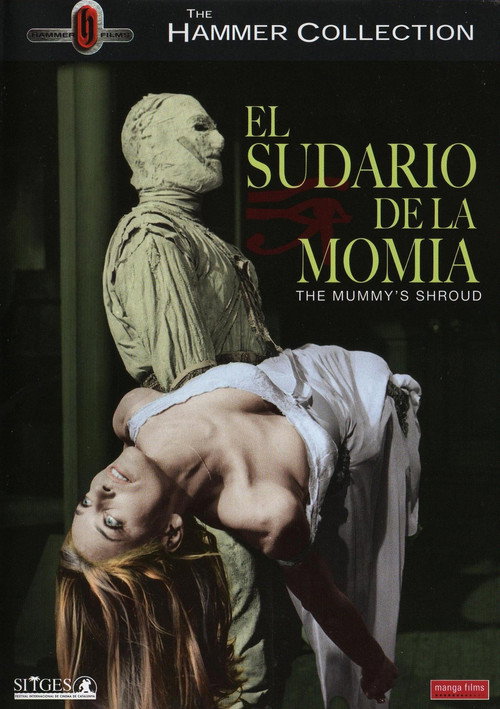
El sudario de la momia poster

EL SUDARIO DE LA MOMIA

The Mummy's Shroud

1967 • GB HMDB
marzo 15, 1967

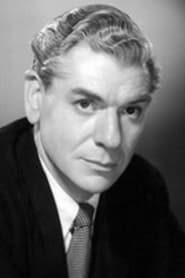
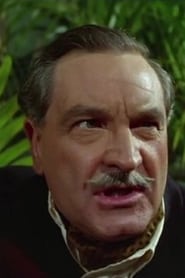
Una pequeña expedición arqueológica conducida por Sir Basil Walden (André Morell) descubre la tumba escondida de Kah-to-Bey. A pesar de las advertencias del guardián de mirada siniestra, Hasmid Ali (Roger Delgado), se llevan a Kahto-Bey al Cairo y lo guardan junto a la momia de Prem, su devoto esclavo y protector. Los jerogílficos del sudario que cubre el cuerpo de Kahto-Bey son leídos en voz alta por Ali haciendo que Prem vuelva a la vida. Empieza una espiral imparable de locura, misterio y asesinatos.

Directores

Reparto

👍 👎 🔥 🧻 👑

Necesitas una cuenta gratuita: elige y te explicamos cómo

Aún no está en streaming en tu país: añádela a «Quiero ver» y te avisamos cuando llegue.

Comentarios

Comentarios (0)

Equipo

Produccion: Anthony Nelson Keys (Producer)
Guion: John Gilling (Screenplay)
Musica: Don Banks (Original Music Composer)
Fotografia: Arthur Grant (Director of Photography)

Dónde Ver

Aún no está en streaming en tu país.

Te escribimos el día en que llegue a una plataforma. Puedes desactivar los avisos desde tu perfil.

Datos proporcionados por JustWatch

Preguntas sobre El sudario de la momia

¿Cuánto dura El sudario de la momia?

El sudario de la momia dura 89 minutos.

¿Cuándo se estrenó El sudario de la momia?

El sudario de la momia se estrenó en 1967.

¿Quién dirigió El sudario de la momia?

El sudario de la momia está dirigida por John Gilling.

RESEÑAS DE LA COMUNIDAD (2)

John Chard

John Chard

6 /10

Beware the beat of the cloth-wrapped feet!

The Mummy's Shroud is directed by John Gilling who also co-adapts the screenplay with Anthony Hinds. It stars André Morell, John Phillips, David Buck, Elizabeth Sellars, Maggie Kimberly and Michael Ripper. Music is by Don Banks and cinematography by Arthur Grant.

Mezzera, Egypt, 1920, and an expedition to find the tomb of Pharaoh Kah-to-Bey gets more than they bargained for when they unearth a shroud adorned with the ancient writings of life and death...

The third instalment of Hammer Films forays into Mumified based Egyptology, The Mummy's Shroud follows the standard formula but never the less entertains in undemanding fashion. Released as the support feature to Frankenstein Created Woman (not Frankenstein Must Be Destroyed as listed in some quarters since that was two years later), it's nicely photographed, stoically performed by the cast (especially by Hammer hero Ripper who gets a meaty role) and is pacey enough to uphold the interest. The violence aspects are strongly constructed, but kept mostly in suggestive terms as per visual enticements, and how nice to see the lead ladies here be more than token cleavage.

This was the last Hammer feature to be made at Bray Studios, so it has some poignant significance in the history of Hammer Films. It's not a great send off for Bray, but it's unmistakably one of those Hammer Horror films that fans of the studio's output can easily spend the evening with and not feel it has been time wasted. 6.5/10


Wuchak

Wuchak

6 /10

Decent third entry in Hammer’s mummy series

In 1920, a team of archaeologists are willing to risk death in order to find the ancient tomb of a Pharaoh's son in the isolated Egyptian desert. The father of one of the team members, a pompous businessman, arrives in time to assist in violating the grave, removing the bodies and the sacred shroud. Big mistake.

"The Mummy's Shroud" (1967) is the third of four films in Hammer’s series; the others being "The Mummy" (1959), "The Curse of the Mummy's Tomb" (1964) and "Blood from the Mummy's Tomb" (1971). They all have similar plots and each can be enjoyed as a standalone flick.

The first one is actually the least of the series, story-wise. While it has Cushing and Lee, it’s bogged down by dull Egyptian rituals and citations of sacred scrolls, amongst a couple other flaws. The second one, “The Curse of,” is the best as it features a spirit of high adventure with the ship voyage, as well as a thought-provoking back story, an interesting romantic triangle and Fred Clark's entertaining character. Of course, the last one, “Blood from,” is notable for statuesque Valerie Leon as the mummy, which no doubt influenced Tom Cruise’s “The Mummy” (2017).

So where does this one stand? While it’s not as good as “The Curse of,” I’d put it on par with “Blood from” even though it lacks that one’s sense of artistry, not to mention Valerie Leon (which explains its cult status).

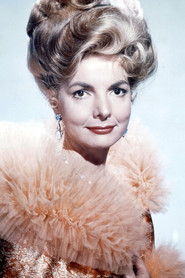
Human interest is wisely supplied with the conflict between the noble son (David Buck) and arrogant father (John Phillips), not to mention the wife’s lowkey frustrations (Elizabeth Sellars). The wife and son both understandably disrespect the husband/father, who constantly barks orders and seeks glory he hasn’t earned. Paul naturally looks up to his honorable mentor (André Morell). There’s also some sinister-looking Egyptian characters, like the fortune-teller (Catherine Lacey) and her son.

Movies like this obviously influenced the slasher genre a dozen years later. The mummy-creature is very similar to the unstoppable malevolence of Michael Myers or Jason. Slashers just changed the milieu to a cabin-in-the-woods or whatever and switched the victims to youths, plus upped the ante in the gore department.

I shouldn't fail to mention sharp Maggie Kimberly as archaeologist Claire.

The film runs 1 hour, 30 minutes, and was shot at Bray Studios, which is west of London at Down Place, Oakley Green, Berkshire, as well as Wapseys Wood, Gerrard's Cross, which is just north of there. All of the desert sequences were shot at the Sand and Gravel Quarry of the latter.

GRADE: B-

Reseñas proporcionadas por TMDB

Guarda las películas que quieres ver

Con una cuenta gratuita guardas tu lista y la tienes en todos tus dispositivos.

Crea tu cuenta

Gratis: solo un correo y una contraseña.