



Le Verdict
1983. Owen, douze ans, vit avec sa mère dans un immeuble à Los Alamos, au Nouveau-Mexique.
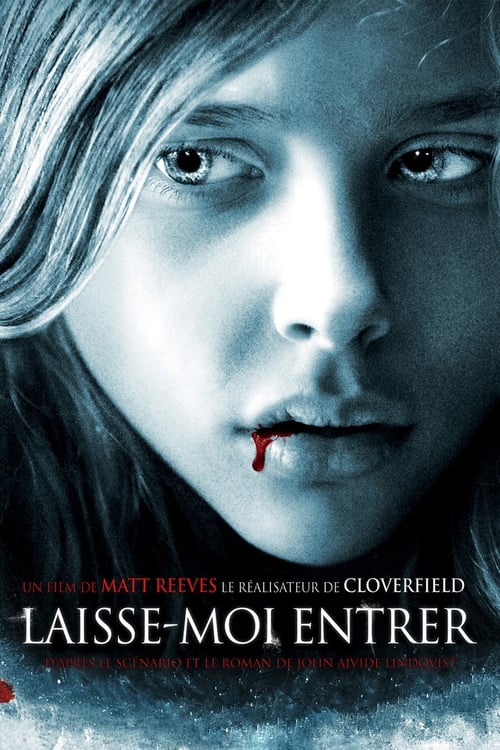
1983. Owen, douze ans, vit avec sa mère dans un immeuble à Los Alamos, au Nouveau-Mexique. La vie du garçon se déroule dans la solitude, entre de longs moments dans la cour de l'immeuble et les terribles brimades de trois garnements qui le harcèlent chaque jour à l'école. Une nuit, dans l'appartement adjacent à celui d'Owen, emménage Abby, une étrange fillette qui se promène pieds nus dans la neige et ne se montre que lorsque le soleil se couche. D'abord méfiant, Abby commence à s'approcher d'Owen et une amitié naît entre les deux. Mais Abby est un vampire et a continuellement besoin de sang.
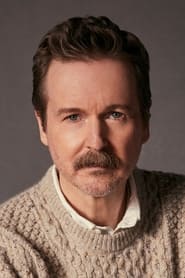
La Hammer Film Productions, célèbre et glorieuse maison de production anglosaxonne, est ressuscitée, a changé de propriétaire mais semble être partie avec des intentions similaires à celles du passé. Si dans "The Resident" ils ont voulu comme co-protagoniste Christopher Lee, visage historique de Dracula et de tant d'autres films hammeriens, avec "Blood Story" ils ont agi sous un double aspect : le rétablissement de l'icône du vampire et le remake d'un film préexistant. Mais cette fois-ci, nous ne parlons pas de films réalisés un quart de siècle plus tôt ou plus, comme ce fut le cas pour Dracula, Frankenstein ou la Momie, mais d'une œuvre fraîchement produite, le magnifique et innovant "Let the Right One In" que le Norvégien Tomas Alfredson a tiré en 2008 du roman à succès de John Ajvide Linqvist. De plus, contrairement à ce qui s'était passé pour lesdites icônes, cette fois-ci la Hammer n'a pas décidé de reformuler complètement l'histoire originale mais a permis au réalisateur et scénariste Matt Reeves de construire un remake-photocopie, qui n'est pas tant une autre version du roman de Linqvist qu'un véritable et propre remake du film d'Alfredson, vu les mêmes petites infidélités à l'originale sur papier reprises ici également.
Ainsi, comme ce fut le cas pour des remakes éclair comme "Quarantine", on réfléchit plus que tout à l'utilité d'opérations comme celles-ci jusqu'à chercher à en comprendre le pourquoi, qui va être trouvé uniquement et exclusivement si l'on regarde le tout sous l'optique américaine. Aux États-Unis, on ne double pas les films étrangers et donc ceux qui arrivent ont la langue maternelle avec les sous-titres, et il va de soi que les produits dans ces conditions ont une distribution/visibilité limitée et ne sont certainement pas pour tous. "Let the Right One In" d'Alfredson a eu le même sort et "gâcher" une histoire aussi belle de cette manière aurait été un péché, c'est pourquoi l'opération remake a été lancée et cette procédure vaut pour chaque film récent non américain refait par les Américains. Bien sûr, nous Européens, ou plutôt les Italiens, qui avons la possibilité de profiter des deux versions indistinctement, vue la tradition cinématographique confiée au doublage, nous indignons devant ces opérations et il n'est pas rare que nous partions avec des dénonciations de racisme et/ou de pouvoir globalisant de l'industrie culturelle américaine sans savoir en réalité comment fonctionne le marché. Avec cela, je ne veux pas justifier en totalité des opérations de ce genre, mais il faut aussi penser au fait que "Let the Right One In" est un film magnifique et que "Blood Story" ne perd la comparaison que parce que nous avons déjà vu le précédent et que nous avons la sensation de total déjà-vu, sinon la qualité du film de Reeves est quand même très élevée.
Le réalisateur de "Cloverfield" réécrit l'histoire de la petite vampire en la situant dans le Nouveau-Mexique réaganien et en adoucissant les ambiguïtés morose/sensuelles qui se cachaient dans l'autre film et surtout dans le roman. C'est là la différence principale : Abby est une vampire femelle, il n'y a plus aucun élément qui puisse témoigner de sa sexualité précédente, tout comme cet halo d'homosexualité précoce qui semblait envelopper le personnage d'Oskar n'est pas repris dans Owen, définissant ainsi de manière plus nette les rôles sexuels des deux enfants. De même, l'aspect pédophile qui liait la vampirette à son tuteur est ici légèrement réduit par la découverte par Owen d'une "preuve" qui clarifie le rapport indéfini qui existe entre l'ancien et la fillette. En revanche, Reeves accentue le côté plus proprement horrifique, donnant à la vampire un aspect plus monstrueux quand elle a faim, la faisant bouger de manière innaturelle et plus animale quand elle chasse et répandant plus de sang dans les meurtres qui résultent ainsi plus violents.
Reeves se montre excellent derrière la caméra, privilégiant les plans fixes, des angles étranges et "inconfortables", des réflexions et répandant une atmosphère fascinante de résignation statique qui se lie bien au thème de la solitude, prédominant dans le récit. Sous de nombreux aspects, le style de Reeves, complètement opposé à celui du précédent "Cloverfield", rappelle le premier Shyamalan, celui de "Sixième Sens" et "Unbreakable", pour ainsi dire, donnant au film une connotation vintage claire. Bon travail de Greig Fraser sur la photographie, qui tend à exalter les couleurs chaudes malgré le fait que le film se déroule pendant un hiver enneigé et très bonne aussi la bande sonore de Michael Giacchino, qui privilégie les sons d'ambiance, souvent aussi peu musicaux.
Il est intéressant de noter comment Reeves a bien caractérisé tous les personnages en se concentrant davantage sur l'univers infantile. En pratique, chaque personnage présent dans l'histoire est encadré du point de vue d'Owen, donc la mère absente n'est jamais encadrée en visage, le père n'est qu'une voix au téléphone, l'enseignant d'éducation physique est essentiellement un bon à rien bien qu'enthousiaste, la voisine de maison un objet de désir inatteignable et le policier une victime impuissante à sacrifier. Bien sûr, tout cela arrivait aussi dans le film d'Alfredson, mais Reeves a réussi à réadapter et peut-être à extrémiser le tout.
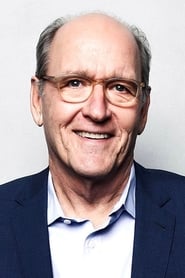
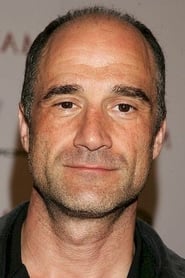
Rien à dire sur le travail des acteurs : parfaits les deux enfants protagonistes Kodi Smit-McPhee, déjà vu aux côtés de Viggo Mortensen dans "The Road" et Chloe Moretz, inoubliable Hit Girl dans "Kick-Ass". À leurs côtés, il est juste de citer les toujours excellents Richard Jenkins ("L'invité inattendu") dans le rôle du tuteur d'Abby et Elias Koteas ("Le messager") dans celui du policier qui s'occupe du cas des décès mystérieux.
"Blood Story" est autant beau qu'inutile. Stephen King l'a défini comme le meilleur film d'horreur des vingt dernières années, une affirmation peut-être un peu exagérée mais compréhensible... seulement que Stephen King est probablement l'un des nombreux Américains qui n'ont pas vu "Let the Right One In".
Visionnez les coulisses de BLOOD STORY
Commentaires
Commentaires (0)









Commentaires