















Il Verdetto
Il cinema fantastico e la fantascienza hanno spesso utilizzato l’ambiente come specchio delle paure del proprio tempo.
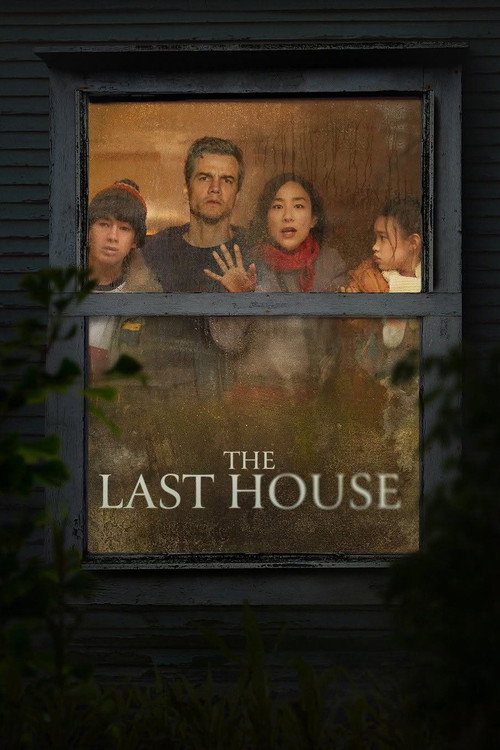
Il cinema fantastico e la fantascienza hanno spesso utilizzato l’ambiente come specchio delle paure del proprio tempo. Negli anni Settanta, quando l’emergenza ecologica iniziava a diventare una preoccupazione concreta, il disastro ambientale entrava nell’immaginario fantastico come conseguenza dell’arroganza umana; prima ancora, erano le radiazioni dei test nucleari e delle bombe atomiche a suggerire scenari in cui la natura, mutata dall’intervento dell’uomo, poteva trasformarsi nella sua più terribile nemica. Oggi quella paura ha assunto soprattutto una dimensione climatica, legata al surriscaldamento globale e alla progressiva alterazione degli equilibri del pianeta. Ed è proprio dall’acqua, elemento indispensabile alla vita ma anche forza naturale impossibile da dominare, che parte The Last House, produzione Netflix diretta da Louis Leterrier e scritta da Matthew Robinson.
Non è casuale che il film si apra con una citazione attribuita ad Arthur C. Clarke: «Com’è inappropriato chiamare questo pianeta Terra quando è chiaramente Oceano». La frase, riportata anche in pubblicazioni scientifiche e attribuita a Clarke almeno dal 1990, sintetizza perfettamente il punto di partenza concettuale del film: noi chiamiamo il pianeta sul quale viviamo “Terra”, ma circa il 71% della sua superficie è coperto dall’acqua. E in The Last House è proprio l’acqua a reclamare un ruolo centrale, quasi una posizione di dominio che l’essere umano ha per troppo tempo ignorato.
L’ingegnere Jason Delgado si prepara a trascorrere il Natale insieme alla moglie e ai due figli. Una mattina, mentre la famiglia dovrebbe uscire per acquistare il nuovo albero da addobbare, un violento temporale rende impossibile lasciare la casa. Porte e finestre sembrano bloccate da una forza invisibile e nemmeno infrangere i vetri serve a qualcosa. Ben presto i Delgado scoprono che la stessa cosa sta accadendo ai vicini e, stando alle informazioni frammentarie che riescono a raccogliere, all’intero quartiere, alla città e forse al mondo intero. Senza connessioni internet, telefoni, televisione o radio, i giorni diventano settimane e le settimane mesi, mentre la famiglia è costretta a razionare le provviste e soprattutto a trovare un modo per mantenere la propria sanità mentale. È la piccola Ruth, però, a intuire che quella pioggia incessante potrebbe essere qualcosa di più di un semplice fenomeno atmosferico: sembra quasi viva, capace di comunicare con loro. E nel giardino e nelle strade iniziano ad apparire creature che potrebbero avere un preciso interesse a impedire agli esseri umani di uscire.
La prima metà di The Last House funziona soprattutto perché Leterrier comprende che per raccontare una situazione estrema non servono necessariamente grandi eventi. Il film costruisce il proprio orrore attraverso la ripetizione della quotidianità, trasformando le azioni più banali in piccoli avvenimenti: mangiare, passare il tempo, trovare qualcosa da guardare, cercare di mantenere una parvenza di normalità. È impossibile non pensare al lockdown del 2020, a quei mesi nei quali la casa era diventata contemporaneamente rifugio e prigione, mentre il mondo esterno appariva distante e minaccioso. The Last House utilizza quella memoria collettiva senza trasformarla in una dichiarazione esplicita, raccontando una famiglia costretta a reinventare le proprie abitudini e a riscoprire persino tecnologie che sembravano appartenere a un’altra epoca, dai DVD ai vinili.
Il paradosso è che proprio questa parte, quella potenzialmente più interessante, rimane anche quella meno approfondita. La convivenza forzata dovrebbe essere il cuore drammatico del film, ma i rapporti tra i Delgado non raggiungono mai tutte le sfumature che una situazione simile avrebbe potuto generare. Mancano soprattutto i conflitti, le tensioni quotidiane, le piccole esplosioni emotive che una reclusione tanto lunga avrebbe inevitabilmente prodotto. Considerando anche l’età dei figli, la famiglia appare fin troppo disciplinata e funzionale, quasi come se fosse stata costruita per rappresentare l’ideale di successo di una “famiglia sotto pressione” più che per comportarsi realmente come una famiglia in quella situazione.
Eppure l’atmosfera è notevole. Leterrier sfrutta magnificamente gli spazi della casa, trasformando finestre, porte e corridoi in confini invalicabili e facendo della pioggia una presenza costante, quasi un personaggio. Il film suggerisce molto più di quanto mostri e, proprio quando lascia filtrare qualcosa dall’esterno, riesce a generare una sensazione di inquietudine autentica.
Quando nella seconda metà The Last House abbandona progressivamente il dramma familiare per assumere i contorni più espliciti dell’horror, entrano in scena strane creature anfibie che sembrano provenire direttamente dall’immaginario lovecraftiano. Il riferimento a Dagon e soprattutto a La maschera di Innsmouth è evidente: esseri acquatici che sembrano appartenere a un mondo altro e che osservano l’umanità come una specie estranea. È un passaggio che rinvigorisce il film sul piano spettacolare, ma contemporaneamente ne mette in luce i limiti narrativi. Le creature sono inquietanti, ma il loro comportamento diventa presto contraddittorio; intuiamo cosa vogliono, ma non comprendiamo fino in fondo perché agiscano in determinati modi. E quando arriva il momento di fornire una spiegazione, il film sembra avere fretta di chiudere il discorso.
Bella, invece, la lunga sequenza subacquea, che rappresenta probabilmente il momento visivamente più riuscito dell’intero film. È proprio quando Leterrier porta i personaggi sotto la superficie dell’acqua che The Last House sembra finalmente trovare la propria dimensione più compiuta, trasformando l’elemento naturale che per tutto il film aveva rappresentato una minaccia invisibile in uno spazio fisico da esplorare. Peccato che la rivelazione a cui conduce la sequenza sia meno efficace della costruzione che la precede.
A sostenere il film ci sono comunque due interpreti di ottimo livello. Wagner Moura, candidato all’Oscar per L’agente segreto, porta nel ruolo di Jason una fisicità e una credibilità che aiutano a rendere concreto il dramma familiare, mentre Greta Lee, reduce da Past Lives e protagonista di Tron: Ares, offre una prova intensa e misurata, riuscendo a dare spessore a un personaggio che la sceneggiatura avrebbe potuto approfondire maggiormente.
The Last House, dunque, è un film che parte da un’idea affascinante e da una metafora tutt’altro che banale: un’umanità costretta a rimanere confinata mentre l’acqua, elemento che ha sempre considerato una risorsa da sfruttare, sembra riprendersi il proprio spazio. Leterrier costruisce bene l’isolamento, lavora con efficacia sugli ambienti e regala alcuni momenti di autentica inquietudine, ma Matthew Robinson non riesce a sviluppare fino in fondo la ricchezza della premessa. Il risultato è un’opera interessante e a tratti suggestiva, che avrebbe potuto diventare molto più incisiva se avesse avuto il coraggio di scavare maggiormente nei propri personaggi e nelle implicazioni del proprio sottotesto ambientalista. Un discreto fanta-horror, insomma, ma soprattutto un’occasione parzialmente mancata.
Commenti
Commenti (0)





Commenti