















Saltar al contenido
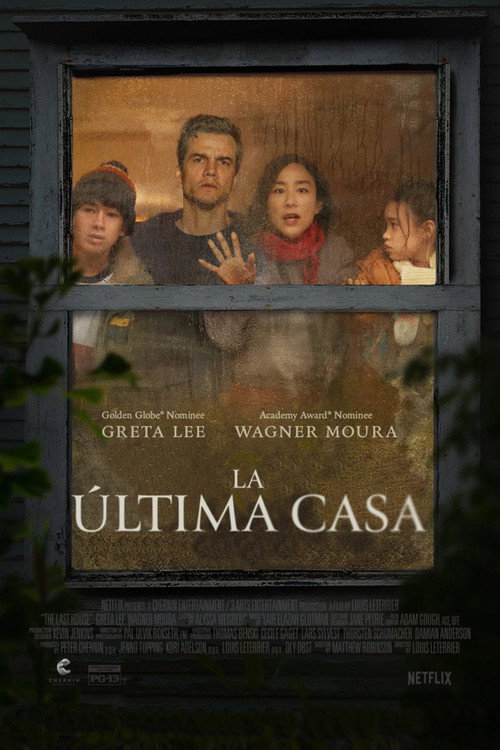
La Última Casa poster

LA ÚLTIMA CASA

The Last House

2026 • US HMDB
agosto 6, 2026

Una familia encerrada en su casa misteriosamente tendrá que unirse para sobrevivir a la escasez de recursos y a la siniestra amenaza que no los deja salir.

Reparto

👍 1 👎 🔥 🧻 👑 (1)

Necesitas una cuenta gratuita: elige y te explicamos cómo

Comentarios

Comentarios (0)

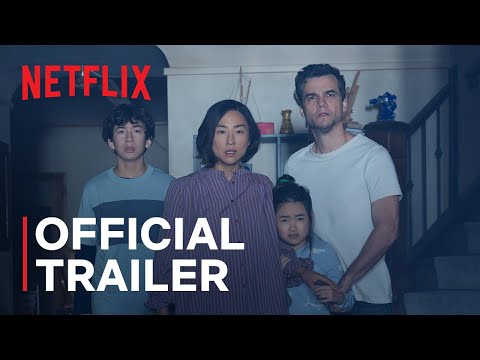
El vídeo está en YouTube: activa el contenido externo para verlo aquí.

Ver en YouTube

Equipo

Produccion: Louis Leterrier (Producer) — Oly Obst (Producer) — Kori Adelson (Producer) — Cecile Gaget (Executive Producer) — Peter Chernin (Producer) — Jenno Topping (Producer) — Thomas Benski (Executive Producer) — Lars Sylvest (Executive Producer) — Thorsten Schumacher (Executive Producer) — Damian Anderson (Executive Producer)
Guion: Matthew Robinson (Writer)
Musica: Yair Elazar Glotman (Original Music Composer)
Fotografia: Pål Ulvik Rokseth (Director of Photography)

RESEÑAS (1)

Roberto Giacomelli •
El Veredicto

Un fantahorror de premisa fascinante, con una excelente atmósfera de aislamiento, una bella secuencia submarina y dos intérpretes sólidos. Sin embargo, la escritura no profundiza en los personajes ni en el subtexto ambientalista y cierra rápido: una oportunidad parcialmente desaprovechada.

Para quién
quienes aman los horror de asedio doméstico y las sugestiones lovecraftianas
No para quién
quienes buscan un drama familiar profundo o explicaciones coherentes
El cine fantástico y la ciencia ficción han utilizado frecuentemente el entorno como espejo de los miedos de su época. En los años setenta, cuando la emergencia ecológica comenzaba a convertirse en una preocupación real, el desastre ambiental entró en el imaginario fantástico como consecuencia de la arrogancia humana; antes aún, eran las radiaciones de las pruebas nucleares y las bombas atómicas las que sugerían escenarios en los que la naturaleza, transformada por la intervención del hombre, podía convertirse en su enemigo más terrible. Hoy ese miedo ha adquirido principalmente una dimensión climática, vinculada al calentamiento global y a la alteración progresiva de los equilibrios del planeta. Y es precisamente del agua, elemento indispensable para la vida pero también fuerza natural imposible de dominar, de donde parte The Last House, producción de Netflix dirigida por Louis Leterrier y escrita por Matthew Robinson. No es casualidad que la película abra con una cita atribuida a Arthur C. Clarke: «Qué inapropiado es llamar a este planeta Tierra cuando claramente es Océano». La frase, reproducida también en publicaciones científicas y atribuida a Clarke al menos desde 1990, sintetiza perfectamente el punto de partida conceptual del film: llamamos «Tierra» al planeta en el que vivimos, pero aproximadamente el 71% de su superficie está cubierta de agua. Y en The Last House es precisamente el agua la que reclama un papel central, casi una posición de dominio que el ser humano ha ignorado durante demasiado tiempo. El ingeniero Jason Delgado se prepara para pasar la Navidad con su esposa y sus dos hijos. Una mañana, cuando la familia debería salir para comprar el nuevo árbol navideño, una tormenta violenta hace imposible abandonar la casa. Las puertas y ventanas parecen bloqueadas por una fuerza invisible y ni siquiera romper los cristales sirve de nada. Pronto los Delgado descubren que lo mismo está sucediendo a los vecinos y, según la información fragmentaria que logran reunir, a todo el barrio, la ciudad y quizás al mundo entero. Sin conexiones a internet, teléfono, televisión o radio, los días se convierten en semanas y las semanas en meses, mientras la familia se ve obligada a racionar las provisiones y, sobre todo, a encontrar la manera de mantener su cordura mental. Pero es la pequeña Ruth quien intuye que esa lluvia incesante podría ser algo más que un simple fenómeno atmosférico: parece casi viva, capaz de comunicarse con ellos. Y en el jardín y en las calles comienzan a aparecer criaturas que podrían tener un interés específico en impedir que los seres humanos salgan. La primera mitad de The Last House funciona principalmente porque Leterrier entiende que para contar una situación extrema no son necesariamente grandes eventos. La película construye su horror a través de la repetición de la cotidianidad, transformando las acciones más banales en pequeños sucesos: comer, pasar el tiempo, encontrar algo que ver, intentar mantener una apariencia de normalidad. Es imposible no pensar en el confinamiento de 2020, en esos meses en los que la casa se convirtió simultáneamente en refugio y prisión, mientras el mundo exterior parecía distante y amenazante. The Last House utiliza esa memoria colectiva sin transformarla en una declaración explícita, contando a una familia obligada a reinventar sus hábitos y a redescubrir incluso tecnologías que parecían pertenecer a otra época, desde DVD hasta vinilos. La paradoja es que precisamente esta parte, la potencialmente más interesante, es también la menos profundizada. La convivencia forzada debería ser el corazón dramático de la película, pero las relaciones entre los Delgado nunca alcanzan todos los matices que una situación así habría podido generar. Faltan sobre todo los conflictos, las tensiones cotidianas, las pequeñas explosiones emocionales que un encierro tan prolongado habría inevitablemente producido. Considerando también la edad de los hijos, la familia parece demasiado disciplinada y funcional, casi como si hubiera sido construida para representar el ideal de éxito de una «familia bajo presión» más que para comportarse realmente como una familia en esa situación. Y sin embargo la atmósfera es notable. Leterrier aprovecha magníficamente los espacios de la casa, transformando ventanas, puertas y pasillos en límites infranqueables e haciendo de la lluvia una presencia constante, casi un personaje. La película sugiere mucho más de lo que muestra y, precisamente cuando deja filtrarse algo del exterior, logra generar una sensación de inquietud auténtica. Cuando en la segunda mitad The Last House abandona progresivamente el drama familiar para asumir los contornos más explícitos del horror, entran en escena extrañas criaturas anfibias que parecen provenir directamente del imaginario lovecraftiano. La referencia a Dagon y sobre todo a La sombra sobre Innsmouth es evidente: seres acuáticos que parecen pertenecer a un mundo otro y que observan la humanidad como una especie extraña. Es un giro que revitaliza la película en el plano espectacular, pero al mismo tiempo expone sus limitaciones narrativas. Las criaturas son inquietantes, pero su comportamiento pronto se vuelve contradictorio; intuimos qué quieren, pero no comprendemos del todo por qué actúan de ciertos modos. Y cuando llega el momento de proporcionar una explicación, la película parece tener prisa por cerrar el discurso. Bella, en cambio, es la larga secuencia submarina, que probablemente representa el momento visualmente más logrado de toda la película. Es precisamente cuando Leterrier lleva a los personajes bajo la superficie del agua que The Last House parece finalmente encontrar su dimensión más completa, transformando el elemento natural que durante toda la película había representado una amenaza invisible en un espacio físico que explorar. Lástima que la revelación a la que conduce la secuencia sea menos efectiva que la construcción que la precede. La película se sostiene, sin embargo, gracias a dos intérpretes de excelente nivel. Wagner Moura, nominado al Oscar por El agente secreto, aporta al papel de Jason una physicidad y una credibilidad que ayudan a hacer concreto el drama familiar, mientras que Greta Lee, proveniente de Past Lives y protagonista de Tron: Ares, ofrece una prueba intensa y medida, logrando dar profundidad a un personaje que el guión habría podido desarrollar más ampliamente. The Last House, entonces, es una película que parte de una idea fascinante y de una metáfora nada banal: una humanidad obligada a permanecer confinada mientras el agua, elemento que siempre ha considerado un recurso a explotar, parece reclamar su propio espacio. Leterrier construye bien el aislamiento, trabaja eficazmente con los espacios y regala algunos momentos de inquietud auténtica, pero Matthew Robinson no logra desarrollar plenamente la riqueza de la premisa. El resultado es una obra interesante y a ratos sugerente, que habría podido volverse mucho más incisiva si hubiera tenido el coraje de profundizar más en sus personajes y en las implicaciones de su subtexto ambientalista. Un fanta-horror discreto, en suma, pero sobre todo una oportunidad parcialmente desaprovechada.
👍 👎 🔥 🧻 👑

Comentarios

Comentarios (0)

Dónde Ver

Datos proporcionados por JustWatch

Preguntas sobre La Última Casa

¿Dónde ver La Última Casa en streaming?

La Última Casa está disponible en Netflix, Netflix Standard with Ads.

  • Netflix
  • Netflix Standard with Ads
Ver dónde verla

¿Cuánto dura La Última Casa?

La Última Casa dura 110 minutos.

¿Cuándo se estrenó La Última Casa?

La Última Casa se estrenó en 2026.

¿Quién dirigió La Última Casa?

La Última Casa está dirigida por Louis Leterrier.

¿Qué nota tiene La Última Casa?

La redacción de HorrorCult le da a La Última Casa 2,5 calaveras sobre 5, con una sola reseña.

Leer las reseñas

RESEÑAS DE LA COMUNIDAD (5)

Manuel São Bento

5 /10

Check out my full review @ https://movieswetextedabout.com/the-last-house-movie-review-louis-leterrier-builds-a-remarkable-house-but-story-misses-its-furnishing/

Rating: C+

THE LAST HOUSE is a film of two very different halves — a sluggish, oddly toneless first hour that squanders a genuinely intriguing premise, followed by a back stretch that finally locates the tension and craft the setup always promised, only to rush its way to an ending more interested in sequel-baiting than resolution. Greta Lee and Wagner Moura are doing real work here, and the fully built, physically degrading house is a legitimate technical achievement that elevates every scene shot inside it, but the script never digs past the surface of its own ideas, leaving genuinely rich thematic territory — isolation, technological dependency, what security actually costs a family — almost entirely unexplored. It’s a divisive movie, one that’s likely to frustrate as many people as it entertains, and it’s easy to see why Netflix sat on the embargo until the last possible moment.

Sierbahnn

Sierbahnn

7 /10

This movie changes from a psychological drama about isolation to a full-on survivor horror movie and to then pivot into a near cosmic horror story at the very end. It is an interesting transition and one that not many movies could pull off. This one does it because you are invested in the characters and they are so well acted and so well directed that the premise actualizes them rather than diminish them. The adversarial conditions that the characters are placed in are positioned in the story very well and are given enough good effects so that they become quite terrifying. It is not a movie for the ages possibly, but it is certainly good enough to give it a watch.

ugrobug

At first glance, Leterrier seems to have made a belated pandemic thriller, where the home becomes a prison and isolation feels more terrifying than any alien invader. But dig a little deeper, and the film reveals itself as a story about an inner void that gradually crystallizes amid the constant noise of the information age. News comes and goes, morning headlines are replaced by fresh sensations before nightfall, and we barely notice as the world quietly turns upside down. What begins as a forced digital detox unexpectedly becomes an invitation to rediscover life’s simplest pleasures: playing a board game, watching a movie together as a family (although the selection is rather limited—there are only two films to choose from), or simply ending the evening with a good old-fashioned pillow fight.

Full version

The Fixate & Binge Podcast, w/ Joe Curdy

The Fixate & Binge Podcast, w/ Joe Curdy

2 /10

Louis Leterrier’s THE LAST HOUSE joins a growing list of thrillers seemingly inspired by the post-COVID era. Sure to trigger resentful memories of being forced to shelter in place during the global pandemic, Leterrier’s film is a dampening reminder of how miserable life really was with limited social options.

Then again, being trapped inside a house with your family for years is arguably horror enough without the creatures.

With a screenplay by Matthew Robinson, Leterrier’s film starts off very strong when a major rainstorm inexplicably results in countless occupants being entombed in their homes, but loses steam once the family at the center of the story simply goes about their lives, stuck firmly indoors.

Parents Ann and Jason (played by Greta Lee and Wagner Moura) do their best to hold their two children together against all odds, both psychologically and physically, as the weeks, months and eventually years go by.

(How the family has not succumbed to poisonous black mold over the years spent inside the home is one of the great unsolved mysteries here.)

With diminishing options as the family transitions, worryingly, from thriving to barely surviving, the central mystery as to who, what, why—or even how—this predicament unfolded around the world barely gets the attention it deserves until a hasty final act, heavy on thrills but sodden with explanation, tries to wrap things up.

Leterrier, known for creating engaging spectacle but not always sticking the landing, offers more of the same here as the family stands their ground against creatures who look like a cross between Bill Nighy’s Davy Jones from PIRATES OF THE CARIBBEAN and H.P. Lovecraft’s Cthulhu.

More could have been done to explore the mystery of the creatures themselves instead of settling for the feeble “we never saw them again” explanation offered by the narration. It’s the anticlimactic ending no one asked for—especially after Netflix reeled in so much interest with an effective ad campaign that is sure to pay off with streaming records this weekend.

THE LAST HOUSE begins with the kind of intriguing premise that promises something far more ambitious than what ultimately arrives. Unfortunately, once the doors close, the film has nowhere nearly as interesting to go.

Vinicius Monteiro

Vinicius Monteiro

5 /10

What started as a brilliant idea about isolation quickly falls apart in The Last House. The premise of a family trapped inside their home by a freak storm had all the makings of a great psychological thriller, but handing the project to action director Louis Leterrier turned out to be a huge mistake. Instead of building quiet, creeping dread, he relies on frantic camera work, cheap jump scares, and loud sound mixing. The movie completely abandons its promised suspense early on, turning what should have been an intimate nightmare into a confused mess that doesn't seem to know what kind of film it wants to be.

If there is one redeeming quality, it is the incredible production design. The house physically rots and decays alongside the family, creating a gritty, realistic atmosphere that anchors the film's few good moments. Unfortunately, the script completely wastes the talents of Wagner Moura and Greta Lee. They act their hearts out trying to ground the couple, but the writing forces these previously smart characters to make laughably stupid decisions—like dropping their weapons or splitting up in the dark—just to manufacture cheap danger. The kids are even worse; they have no real personality and only exist as lazy plot devices to disobey rules and cause trouble, making it nearly impossible to actually root for the family's survival.

The pacing of the movie is also an absolute nightmare. After a solid opening, the story hits a brick wall, dragging the audience through forty minutes of boring, repetitive survival chores that kill any sense of urgency. Then, just when the movie couldn't feel any slower, the third act completely derails. It throws out the psychological dread entirely and suddenly turns into a generic, action-packed monster movie. Swapping out the quiet fear of cabin fever for CGI sea creatures and frantic shootouts is a jarring, ridiculous shift that completely ruins the original vibe.

To top it all off, the story completely ignores its own mystery and delivers a slap in the face with its ending. We never get any real answers about the weird storm or what happened to the outside world, making the whole universe feel like an unfinished rough draft. Then, after nearly two hours of watching these characters suffer, the film just cuts to black right before any real resolution happens. It is a lazy, abrupt ending that proves the writers had no idea how to wrap things up, ultimately wasting a great concept and leaving the audience feeling completely cheated.

Reseñas proporcionadas por TMDB

Guarda las películas que quieres ver

Con una cuenta gratuita guardas tu lista y la tienes en todos tus dispositivos.

Crea tu cuenta

Gratis: solo un correo y una contraseña.