










Le Verdict
Qu'est-ce que la peur au juste ? Selon la définition commune des dictionnaires, c'est un état émotionnel provoqué par la perception d'un danger réel ou imaginaire, une réaction instinctive qui prépare l'individu à fuir ou à se défendre.
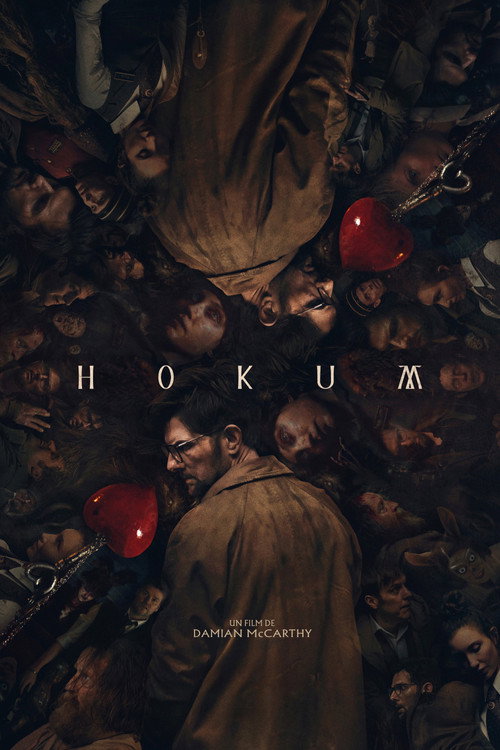
Qu'est-ce que la peur au juste ? Selon la définition commune des dictionnaires, c'est un état émotionnel provoqué par la perception d'un danger réel ou imaginaire, une réaction instinctive qui prépare l'individu à fuir ou à se défendre. Le cinéma d'horreur, cependant, a toujours cherché quelque chose de plus complexe : ne pas se contenter de faire peur, mais parvenir à évoquer cette sensation irrationnelle qui continue à hanter le spectateur bien après la fin du film. C'est un objectif que peu de réalisateurs contemporains parviennent véritablement à atteindre. Ces derniers mois, Ian Tuason y a brillamment réussi avec l'inquiétant Undertone. Damian McCarthy démontre qu'il appartient à cette même catégorie très restreinte avec Hokum, probablement son œuvre à ce jour la plus mûre et terrifiante.
Ohm Bauman est un écrivain d'énorme succès, occupé à terminer le dernier chapitre de la saga fantasy sur les Conquistadores qui l'a rendu célèbre dans le monde entier. Incapable d'élaborer le sentiment de culpabilité lié à la mort de sa mère, événement dont il se sent partiellement responsable, il décide de se rendre dans un village reculé d'Irlande pour disperser les cendres de ses parents. C'est le même endroit où sa mère et son père avaient passé leur lune de miel, en gardant un souvenir merveilleux. Ohm se loge précisément dans le vieux Bilberry Woods Hotel, mais découvre bientôt que le dernier étage de la structure a été fermé après une longue série d'événements inexplicables. La suite nuptiale du grenier serait hantée par l'esprit d'une sorcière. Lorsqu'une série de circonstances forcera l'écrivain à passer une nuit dans cette même chambre, la légende commencera à se transformer en cauchemar.
Avec Caveat et surtout Oddity, Damian McCarthy avait déjà démontré un talent extraordinaire dans la construction de l'atmosphère. Avec Hokum, soutenu par une coproduction américaine et la distribution de Neon, le réalisateur irlandais fait un bond supplémentaire en qualité, fusionnant tout ce qui avait fonctionné dans ses œuvres précédentes en un film d'horreur étonnamment cohérent et mûr.
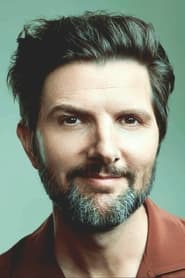
La première intuition gagnante consiste à ne pas confier le poids du récit à la seule présence surnaturelle. Le cœur émotionnel du film est en effet Ohm Bauman, magnifiquement interprété par Adam Scott (Severance) dans ce qui pourrait être l'une des meilleures performances de sa carrière. L'écrivain est un homme brillant, sarcastique, souvent ouvertement insupportable. Il traite tout le monde avec condescendance, alternant des piques constantes avec une attitude quasi hostile envers le monde entier. C'est un masque qui cache une fragilité énorme. Les culpabilités du passé, un problème évident avec l'alcool et une dépression jamais spectacularisée mais racontée avec une sincérité douloureuse transforment le protagoniste en un homme persécuté d'abord par lui-même, avant même de l'être par les fantômes. Lorsque le surnaturel irrompt dans sa vie, le film laisse volontairement floue la frontière entre obsession psychologique et véritable infestation, augmentant ainsi le malaise du spectateur.
De cette base profondément introspective, McCarthy développe un récit de maisons hantées qui trouve une nouvelle vitalité dans le folklore irlandais. Au cœur de l'histoire se trouve une Cailleach, figure très ancienne de la tradition celtique, une sorte de sorcière ancestrale associée à l'hiver, aux montagnes, à la mort et à la puissance de la nature. Bien plus qu'une simple antagoniste, la Cailleach représente une présence primordiale, presque mythologique, que le film introduit avec beaucoup d'élégance à travers une histoire pour enfants racontée par l'étrange propriétaire de l'hôtel. C'est un expédient narratif simple mais très efficace, car il permet au folklore de s'insinuer lentement dans la réalité sans recourir à des explications fastidieuses.
Le véritable co-protagoniste est probablement le Bilberry Woods Hotel. McCarthy transforme la structure en un gigantesque organisme hostile, exploitant ses couloirs, escaliers, ascenseurs, sous-sols et surtout son grenier interdit comme éléments d'une mise en scène construite sur la soustraction. Le dernier étage, avec sa célèbre suite nuptiale, ironiquement relié aux sous-sols par un monte-charge, devient un lieu dont il semble impossible de s'échapper, un labyrinthe où l'espace perd progressivement toute logique. C'est précisément ici que le réalisateur signe l'une des séquences les plus terrifiantes vues ces dernières années, la première fuite face à la sorcière : une montée en tension où chaque bruit, chaque ombre et chaque détail du cadre contribuent à générer un véritable sentiment de terreur, sans abuser des faciles jump scares.
Le ton du récit surprend également. Tout en maintenant une atmosphère très sombre, Hokum insère çà et là des éclairs d'ironie grotesque et surréaliste qui allègent momentanément la tension sans jamais compromettre la crédibilité de l'ensemble. Il y a aussi une sous-trame de thriller/mystère qui, elle, contribue à maintenir l'engagement du spectateur même dans le développement narratif de l'intrigue.
L'aspect peut-être le plus intéressant du film est précisément sa capacité à mettre en dialogue deux âmes apparemment lointaines. D'un côté, il y a un drame intimiste sur la dépression, la culpabilité et l'impossibilité de laisser le passé derrière soi ; de l'autre, un film d'horreur qui fusionne le récit de lieux hantés avec le folk horror irlandais. McCarthy ne sacrifie jamais l'un de ces éléments en faveur de l'autre : la composante psychologique rend plus crédible la composante surnaturelle et vice versa, dans un équilibre rare à trouver dans le cinéma de genre contemporain.
Hokum est l'un de ces films qui rappellent que la peur ne dépend pas du nombre de créatures à l'écran, mais de la capacité à s'insinuer dans l'esprit du spectateur. Damian McCarthy confirme qu'il est aujourd'hui l'une des voix les plus intéressantes de l'horreur contemporaine, un auteur qui ne recherche pas la peur facile mais construit la terreur avec patience, atmosphère et intelligence. Si Caveat et Oddity avaient entrevu son talent, Hokum représente la consécration définitive d'un réalisateur capable de transformer le folklore, la douleur humaine et les espaces clos en une expérience cinématographique très enrichissante.
Commentaires
Commentaires (0)












Commentaires