




The Verdict
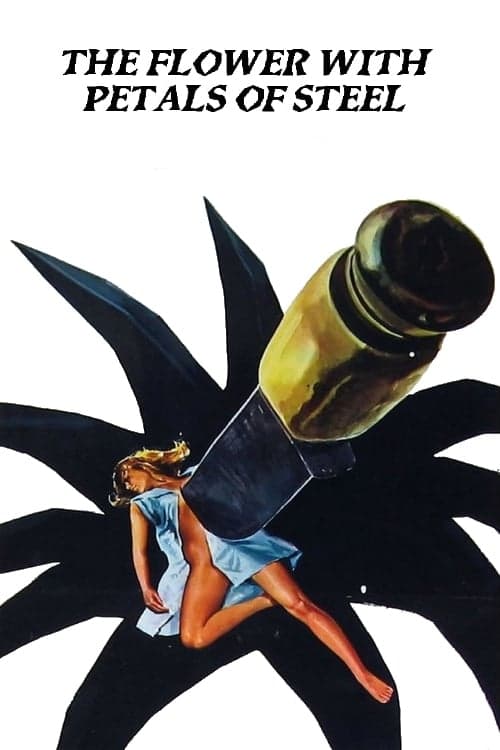
Dr. Andrea Valenti, in a moment of rage, accidentally kills a woman in his apartment, then disposes of the corpse by cutting it into pieces and hiding the remains in a construction site, among the cement.
Dr. Andrea Valenti, in a moment of rage, accidentally kills a woman in his apartment, then disposes of the corpse by cutting it into pieces and hiding the remains in a construction site, among the cement. The next day, Evelyn goes to Andrea worried about the absence of her sister Daniela, who did not return home to sleep; the doctor denies having seen the woman, but Evelyn notices Daniela's car parked under Andrea's house. Suspicious, Evelyn alerts the police who begin to investigate Dr. Valenti, who, meanwhile, receives phone calls and packages from a mysterious individual who threatens him.
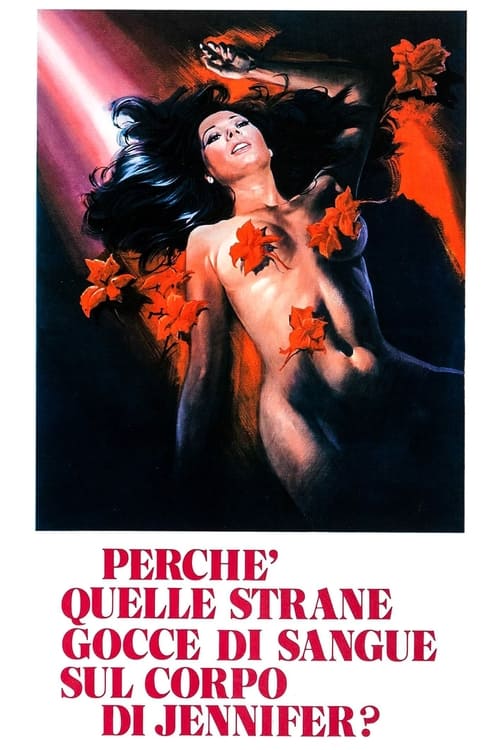
Arriving at the end, the 1970s Italian erotic thriller produces one of those films without infamy and without praise that today are little or not remembered at all. "Il fiore dai petali d'acciaio" belongs to that subgenre of the thriller very frequented by Sergio Martino and especially Umberto Lenzi, that is, the one that mixes the yellow plots with the audacity of some erotic scenes, leaving aside the brilliant and/or violent situations that, for example, characterized the cinema of Dario Argento.
The film in question, in reality, anticipates a minimum of the visual violence that will fill the Italian thrillers from "Profondo rosso" onwards, suggesting - more than showing - a fairly credible dismemberment and a couple of bloody murders. But what concerns the director Gianfranco Piccioli the most is the erotic staging, the exaltation of the naked bodies of his actresses and the construction of some turbid and morbid situations. First of all, let's say that Piccioli could afford it, given that he had in the cast a future star of Italian erotic comedy like Paola Senatore (who every time she appears is undressed!) and Pilar Velásquez ("Un vestito bianco per Marialè"; "Ragazza tutta nuda assassinata nel parco"), who perform completely gratuitous nudity and lesbian scenes (it seems that the underwater one is particularly appreciated by fans); moreover, an arsenal of prurient narrative details ranging from nymphomania to incest is used, thus entrusting such ornaments with the viewer's attention.
It goes without saying that if the primary interest of the aforementioned film lies in these aspects, the intrinsic value of the product is inversely proportional to the exploitative characteristics. Yet "Il fiore dai petali d'acciaio" also presents a fairly good narrative rhythm and a rather engaging yellow plot that will not fail to keep on the alert the viewer more interested in the unfolding of the story. Too bad that the screenplay by Gianni Martucci - who will later move on to directing with the bad "Thrauma" and the poor "I frati rossi" - alternates between good intuitions and a plot different from the usual, a final as implausible as clumsy, entirely entrusted to "coincidences" too big to be supported by the suspension of disbelief of the average viewer.
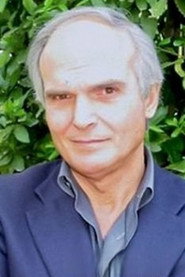
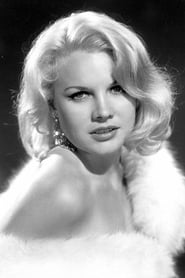
Good cast of well-known faces ranging from Gianni Garko ("Sette note in nero"; "La notte dei diavoli") in the role of Dr. Valenti to the Lenzi-style Carroll Baker ("Così dolce...così perversa"; "Il dolce corpo di Deborah") in that of Evelyn. In addition to the already mentioned Senatore and Velásquez, Ivano Staccioli ("La morte accarezza a mezzanotte"; "KZ9 - Lager de sterminio") and Umberto Raho ("La notte che Evelyn uscì dalla tomba"; "Gli orrori del castello di Norimberga") also appear.
Only for enthusiasts of Italian thrillers with a passion for completeness.
Comments
Comments (0)
Comments