




The Verdict
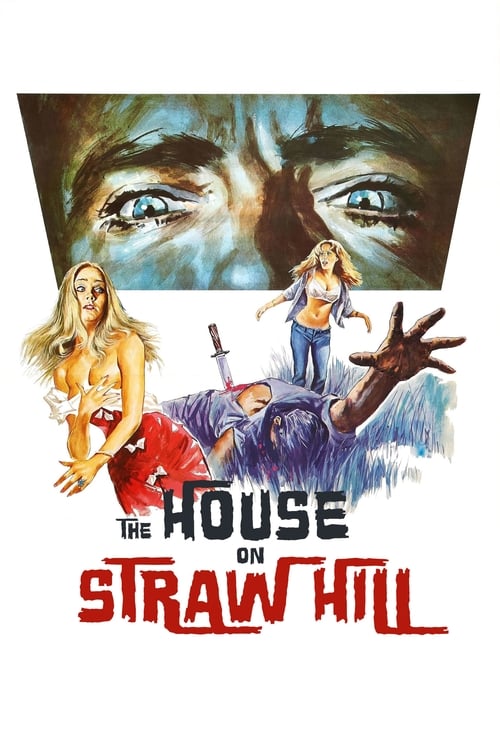
Writer Paul Martin is working on his second novel, a daunting task after the great success of his debut work. To finish the novel within the publisher's deadline, Paul hires a typist, but the attractive young woman behaves strangely, attempting to seduce both Paul and his companion.
Writer Paul Martin is working on his second novel, a daunting task after the great success of his debut work. To finish the novel within the publisher's deadline, Paul hires a typist, but the attractive young woman behaves strangely, attempting to seduce both Paul and his companion.
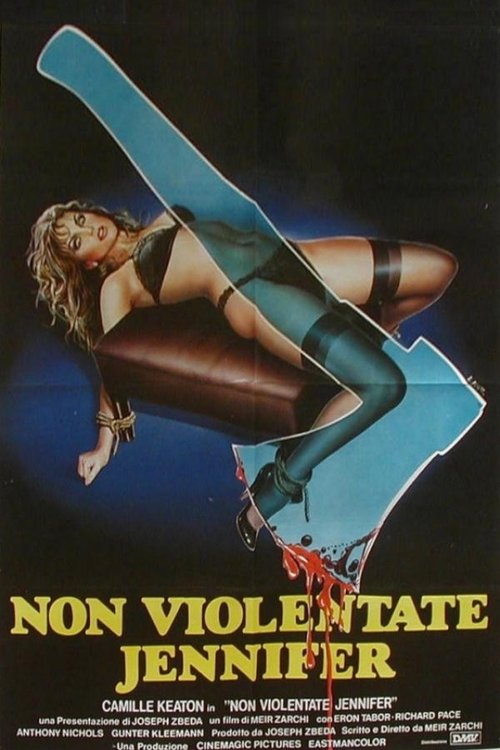
"The House on Straw Hill," also known as "Exposé," holds a unique distinction: it is the only English film to be included in the infamous "video nasties" list, a collection of cinematic titles banned for years in the United Kingdom. In this case, the film was finally released in England on VHS in 1997.
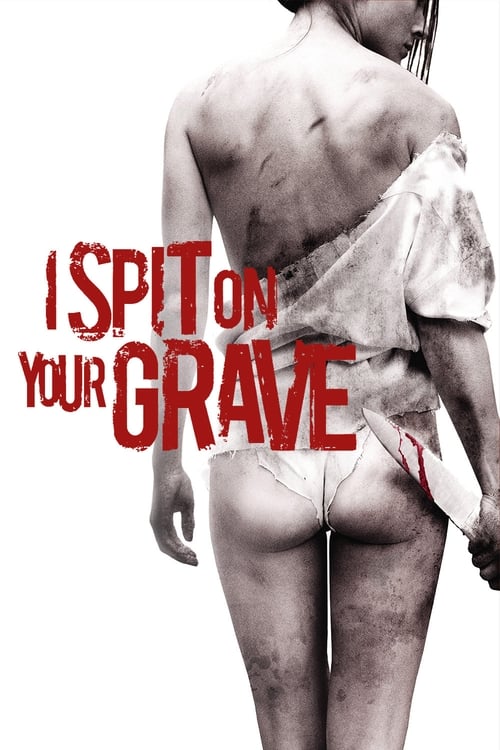
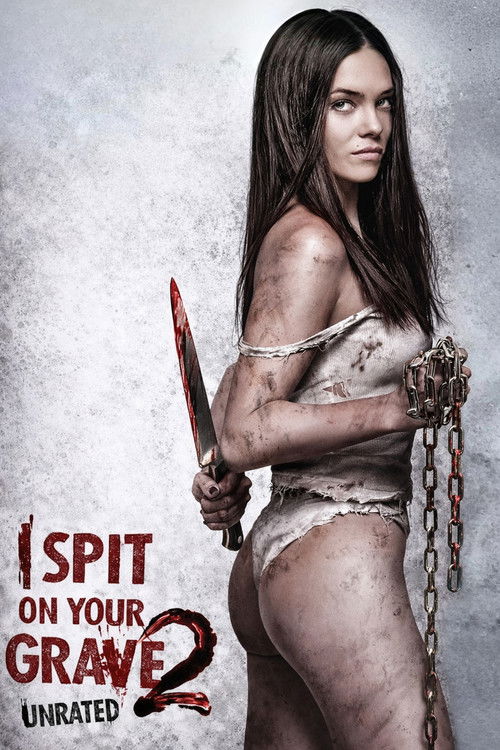
Many of the feared banned films belonged to the "rape and revenge" genre (notable examples include "The Last House on the Left" and "I Spit on Your Grave"), a genre to which "The House on Straw Hill" can be somewhat associated. In reality, James Kenelm Clarke's film tells a story of obsession and revenge, excluding rape from the main plot, although, to stay in line with the visual shock and risqué content that the glorious cinema of the '70s faithfully embraced, Clarke manages to include a small segment of pure and exploitative rape and revenge. To be honest, it is a long, somewhat gratuitous sequence, partly justified by a final callback that is quite improbable, featuring the beautiful Linda Hayden, a mysterious and sexually active typist, engaging in autoerotic practices in the middle of a sunlit wheat field. Hayden is caught by two burly country men who, excited by the inviting spectacle, rape the girl but are immediately punished by her fury, as she shoots them dead after the sexual act. To this day, this "as such" scene is the most famous of the entire film and is probably the one that earned it the ban, being indeed quite explicit and strong even by today's standards. "The House on Straw Hill" constantly plays with the themes of sex and violence, favoring the former, to the point where Clarke's film could certainly be considered an erotic thriller. Hayden, in what is the most extreme and revealing role of her career, is involved in frequent and explicit seduction games with both Udo Kier and Fiona Richmond, who plays the writer's voluptuous companion, a habitual of sexy roles (she appeared in many erotic films) and even hardcore ones.
Apart from the purely '70s charm of the work, "The House on the Straw Hill," if stripped of individual and rare well-constructed moments, is generally a rather mediocre product with a very thin story entirely built around the final revelation. The screenplay appears improbable at several points, starting with the incredible deus ex machina in the ending that gives the conclusion a nearly ridiculous touch, as well as being extremely diluted in unnecessary narrative situations (see the aforementioned rape scene). The pace is slow, and if not for the frequent erotic peaks inserted, one could easily call it a boring film.
The only truly notable merit is the good construction of the two main characters, supported by the convincing performances of the two actors, Udo Kier and Linda Hayden. Kier portrays an inept writer, untrustworthy, with almost pathological maniacal habits (he wears latex gloves during sex), an ideal precursor to Nicholson's Jack Torrance; Hayden, on the other hand, is an attractive girl who alternates moments of extreme modesty and shyness with others where she appears almost nymphomaniac, a schizophrenic behavior that serves as a hint to her true personality, dedicated to a clear and at the same time lucid intent of revenge.
"The House on Straw Hill" is a film to be seen only for completeness regarding the '70s sex and violence genre, a movie for enthusiasts only; others can safely skip it.
Note the Italian version of the film, originally released by GVR on VHS, which is obscenely cut by as much as five minutes!
Trivia. Clarke's film has a recent remake—dated 2009—titled "Exposed" and directed by Martin Kemp, with Anna Brecon in the role originally played by Udo Kier.
Comments
Comments (0)





Comments