
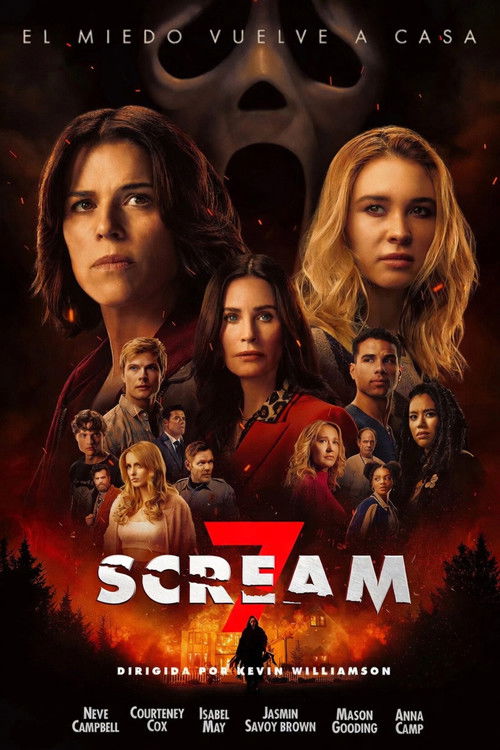



















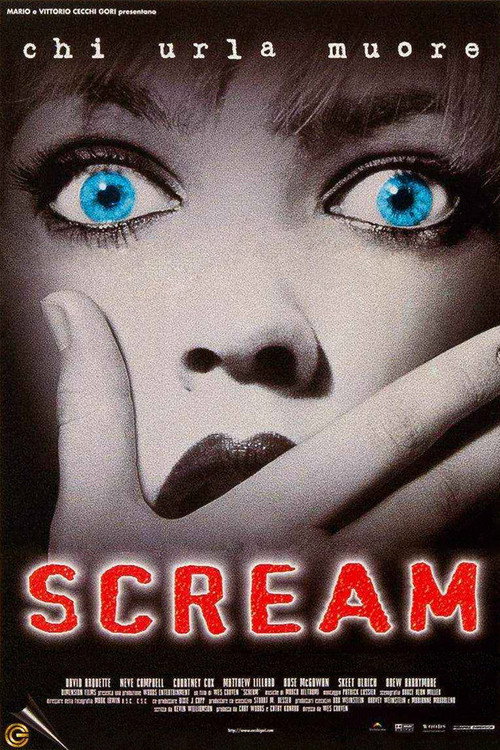
Han pasado 30 años desde que la estudiante Casey Becker respondió al teléfono, desatando la locura asesina de Ghostface. Era 1996, de hecho, y Scream se estrenó en cines revolucionando la forma de entender el cine de terror-slasher, aunque en Italia tendríamos que esperar hasta mediados de 1997, cuando el día de estreno simultáneo de las películas era para nosotros un objetivo lejano por alcanzar.
La obra de Wes Craven redefinía radicalmente el enfoque del cine de terror, con una toma de conciencia y una buena dosis de (auto)ironía. Casi un ensayo crítico en película que trabajaba en múltiples niveles, dejando una historia envolvente, personajes bien caracterizados y algunos momentos de escalofrío que han quedado grabados en el imaginario colectivo.
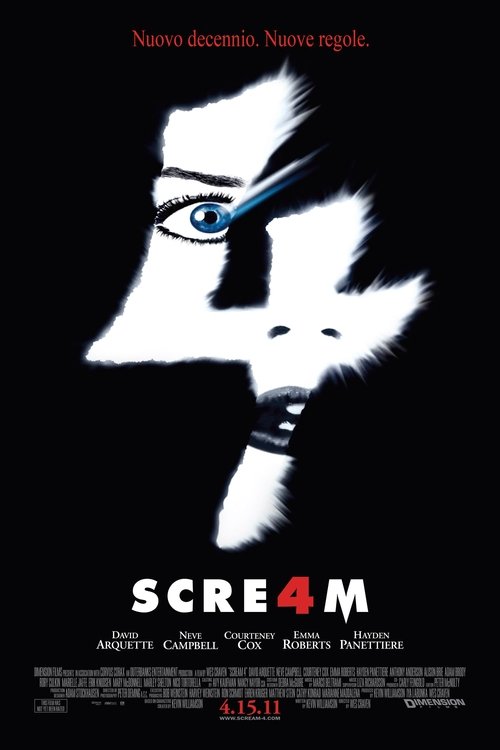
Scream es hoy, con justicia, considerado una obra maestra, una de esas obras divisorias que marcan un antes y un después, y como suele ocurrir en estos casos, cuando la respuesta del público es positiva, la serialización acecha en la esquina. Pero con la saga de Scream, especialmente por su valor metacinematográfico, la misma existencia de una serie de secuelas ha alimentado su trabajo metafílmico, continuando el análisis del género, captando sus matices y las tendencias que el mercado mismo monta. Esto ha hecho que el nivel de calidad general de la saga se mantuviera siempre bastante alto, con capítulos coherentemente unidos, siguiendo el crecimiento —no solo de edad— de los personajes, de los espectadores y del mercado cinematográfico de terror.
Y así llegamos a Scream 7, exactamente treinta años después de aquel primer grito, y con una reinvención del franquicia que había llevado a alejar el foco de los personajes históricos para dar paso a una nueva generación. Sin embargo, el hecho de que Sidney Prescott de Neve Campbell no estuviera presente en la sexta película le pareció a alguien una verdadera traición de intenciones: ella, la final girl más representativa de los años 90, la scream queen honoraria de la última década del siglo que deja el rol de víctima designada para clavar el cuchillo de la sobreviviente en la carne del monstruo. Sidney no puede soltar, Sidney no puede vivir "tranquilamente" su madurez como esposa y madre. Sidney debe volver!
Y así, después del requel, el legado de la secuela, volvemos al punto de partida: Sidney Prescott, hoy Sidney Evans, contra Ghostface. De nuevo.
Trasladada a Pine Grove, donde gestiona una cafetería, Sidney se ha casado con el sheriff local Mark Evans y ha tenido tres hijas con él, la mayor de las cuales, la adolescente Tatum, tiene con ella una relación decididamente conflictiva, de verdadera rebelde. Cuando el teléfono de Sidney suena, aparece en la pantalla un número anónimo, y la voz cavernosa de Ghostface la amenaza una vez más: para la mujer se reabre una herida que pensaba ya cerrada para siempre. Alguien la ha encontrado y quiere devolverla al centro de atención, amenazando en primer lugar a su familia, especialmente a Tatum. Alguien que parece conocerla muy bien.
Después de la salida de escena del director designado Christopher Landon, que siguió al cuestionable despido de Melissa Barrera y al auto-distanciamiento también de Jenna Ortega, los planes iniciales para Scream 7 cambiaron radicalmente con la necesidad de reescribir la sceneggiatura desde cero, alterando el tema. Y así se optó por un verdadero regreso a los orígenes, con la entrada en escena de Kevin Williamson como director. Williamson, precisamente el creador de la saga en los años 90 junto a Wes Craven, el hombre que escribió el guion de la primera película mítica y del segundo y cuarto capítulo, pero también guionista de So What Did You Do?, The Faculty, Cursed, director del pequeño culto hoy olvidado Killing Mrs. Tingle, y creador de ese fenómeno generacional que responde al título de Dawson's Creek. En resumen, el hombre adecuado para devolver al centro de la historia a Sidney Prescott, la final girl original.
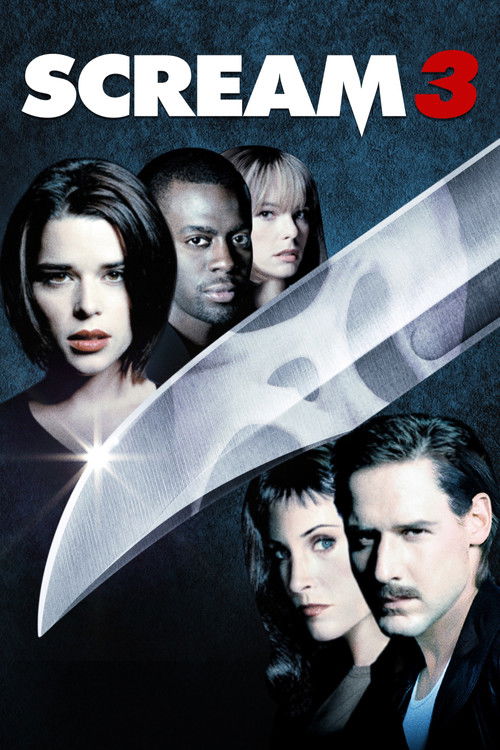
Scream 7 comienza con una (hermosa) secuencia ambientada en la casa de Stu Macher, uno de los dos asesinos de la primera película —recreada también en Scream 3 (reconstruida en un set cinematográfico) y escenario de la matanza final en Scream 5— aquí convertida en un elegante bed & breakfast experiencial para amantes del true crime. Una apertura que parece querer ser una declaración de intenciones: la destrucción del pasado, literalmente reducido a cenizas, la negación misma del efecto nostalgia. Un paradoja, visto que un instante después revivimos, como en un remake filológico, una de las escenas icónicas del primer Scream: misma música, mismos planos, mismos diálogos. No les niego que un escalofrío me recorrió la espalda. Y luego entra en escena ella, una espléndida Neve Campbell, es decir, Sidney Prescott, a quien pensábamos ya libre para disfrutar tranquilamente de su "jubilación". Pero como Jamie Lee Curtis, aka Laurie Strode, nos enseña, una final girl lo es para siempre.
Y es precisamente en este rol que Scream 7 reflexiona, porque abandona su valor explícitamente cinefílico (relegado a la secuencia inicial y a algunos comentarios de Mindy Meeks-Martin) y gana uno implícitamente metacinematográfico.
El enfoque de toda la historia es precisamente Sidney Prescott, pero no la ex-novia de Woodsboro que ha sobrevivido más veces a una masacre y que busca rehacer su vida, eso es un detalle puramente narrativo. Más bien hablamos de Sidney como arquetipo, el modelo primordial del que partir para llegar al estereotipo. Cuando en 1992 Carol Jeanne Clover acuñó el término "final girl" en el libro Men, Women, and Chain Saws: Gender in the Modern Horror Film, lo hizo inconscientemente pensando en Sidney Prescott, que no es otra cosa que la evolución de las diversas Sally, Laurie, Alice, Nancy. Sidney es la redefinición misma del arquetipo, es la primera final girl desde que este término forma parte de la cultura de masas.
En Scream 7, la reflexión se vuelve decididamente más sutil que en el pasado y Williamson juega en al menos dos niveles: el más metafórico, que luego es parte integrante del franquicia mismo, y el de superficie. El primero, el "meta", es de una fineza y coherencia que merece un aplauso, pero requiere una disposición del espectador al análisis; el segundo no le llega, aunque muestra una dignidad que muchos otros franquicias y secuelas pueden envidiarle.
Concentrémonos, ahora, en el nivel más superficial, es decir, la historia y el misterio que construye.
Scream 7, en algunos aspectos, es un thriller/misterio muy clásico, pero en el sentido posmoderno del término (perdón por el oxímoron paradójico). Es decir, no construye un whodunit al estilo Agatha Christie, no hay un Poirot buscando la lógica en las acciones de los personajes, sino más bien esa desfachatez de cierto misterio italiano de los años 70, donde la sugerencia y el giro argumental tenían primacía sobre todo lo demás. En esto difiere también de los Scream anteriores, especialmente en la revelación de la identidad de Ghostface. Y si se quedan solo en la superficie de la película, esta elección, el motivo en particular, podría decepcionarles precisamente porque requiere la superposición a ese nivel más meta-narrativo del que se hablaba arriba. Al final, lo dicen en la misma película que la solución más "simple" habría sido la admisión de la rendición.
En resumen, Williamson y el co-guionista Guy Busick han tejido una obra mucho más elaborada de lo que puede parecer a simple vista.
Hablemos de los personajes. Conocemos a Sidney Prescott, Gale Weathers y los hermanos Chad y Mindy, luego hay una serie de cameos de personajes históricos (muertos), pero no les revelamos el "cómo" y el "por qué"; finalmente tenemos las nuevas incorporaciones. En su mayoría insertadas para alimentar el parque de "víctimas" y "sospechosos" (entre ellos los rostros conocidos de McKenna Grace, Asa German y Joel McHale) excepto Tatum, la hija de Sidney interpretada por Isabel May, potencial víctima, potencial asesina, pero sobre todo hija, después de todo. Tatum es la nueva generación directamente conectada a la anterior, pero no como lo han sido Jill Roberts en Scream 4 o Sam Carpenter en Scream 5 y 6. El conflicto generacional es el que puede haber realísticamente entre una hija y una madre, donde la segunda quiere romper las férreas reglas de la primera simplemente por el gusto de hacerlo, porque son reglas. Pero Tatum no es solo una adolescente rebelde, es también una chica que siente demasiada distancia de su madre, le falta la complicidad que podría tener con una madre: muy banalmente, le falta el relato de la adolescencia de su madre. Porque, como dice Sidney, su pasado lo conocen todos gracias a películas y libros, pero ella tiende a negarlo, querría olvidar el trauma, un trauma que en cambio puede ser paradójicamente útil precisamente para su hija para enfrentar el presente, su adolescencia.
Es muy bonita y profunda la relación que han creado entre Sidney y Tatum y de hecho la película misma se enfoca, con razón, mucho en ello, llevando adelante un discurso sobre la herencia estrechamente ligado a todo el discurso "meta" abordado por la película.
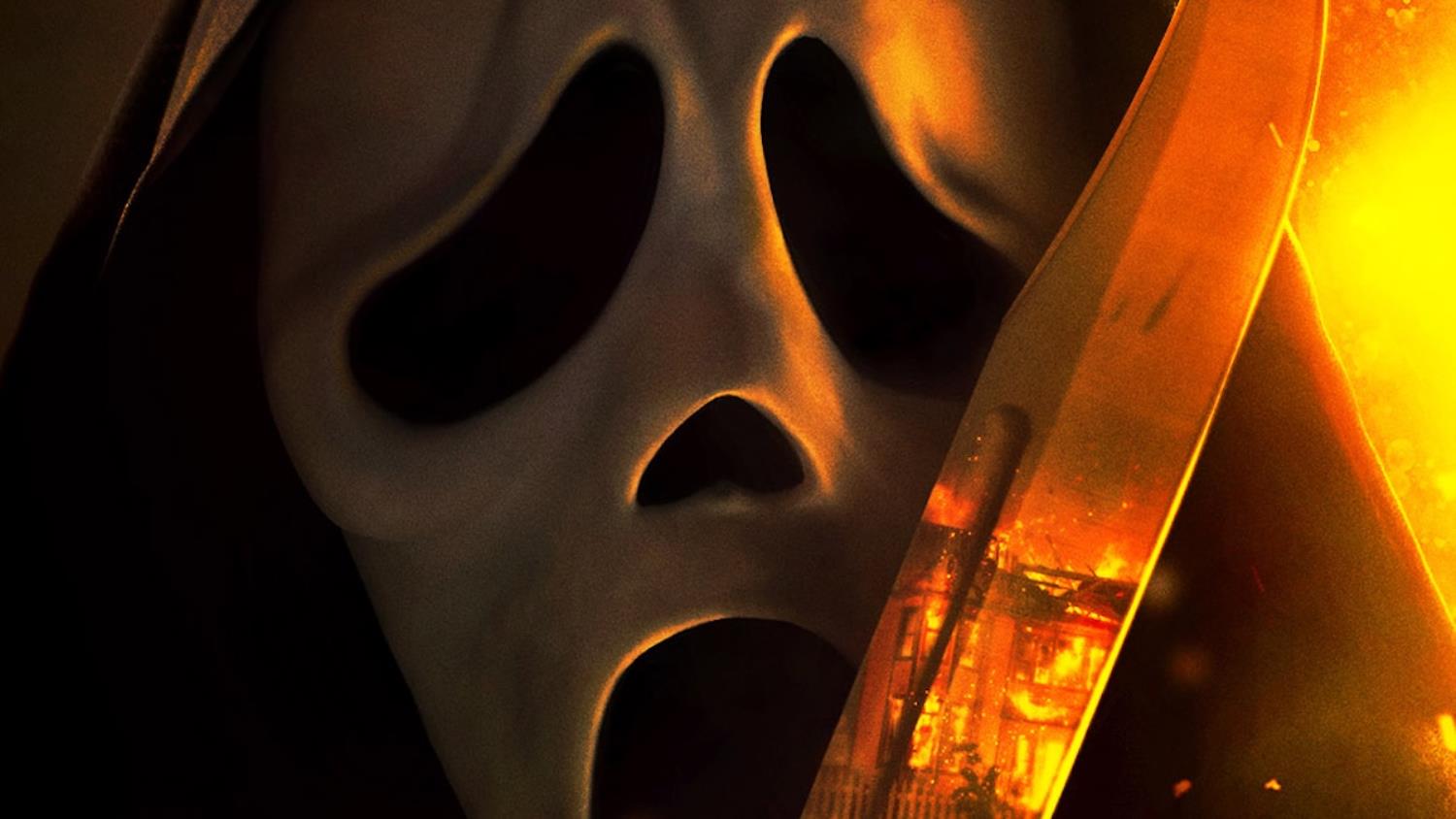
Por último, Ghostface. En Scream 7 vemos un Ghostface particularmente sádico, que se exhibe en emboscadas, persecuciones, combates claramente de acción, pero cuando planea los asesinatos va a lo grande, hasta llegar al clímax de un asesinato que parece ejecutado directamente por Jason Voorhees en un capítulo de Viernes 13, tanto es brutal y votado al sensacionalismo. Cuando lo vean, entenderán.
Por lo tanto, Kevin Williamson ha hecho sin duda un buen trabajo, especialmente jugando con los niveles de lectura de Scream 7, evitando con gran habilidad todos esos escollos que este capítulo podría haber ofrecido en bandeja de plata, e incluso en un par de ocasiones logra incluso hacernos ironía. Y llegar al capítulo 7 de una saga tan amada no era nada seguro mantener alta la calidad, incluso sagas de terror históricas, a las que Scream se inspira abiertamente, no han llegado "íntegras" a este número después del título.
Comentarios
Comentarios (0)









Comentarios