








Carrie au bal du diable backdrop
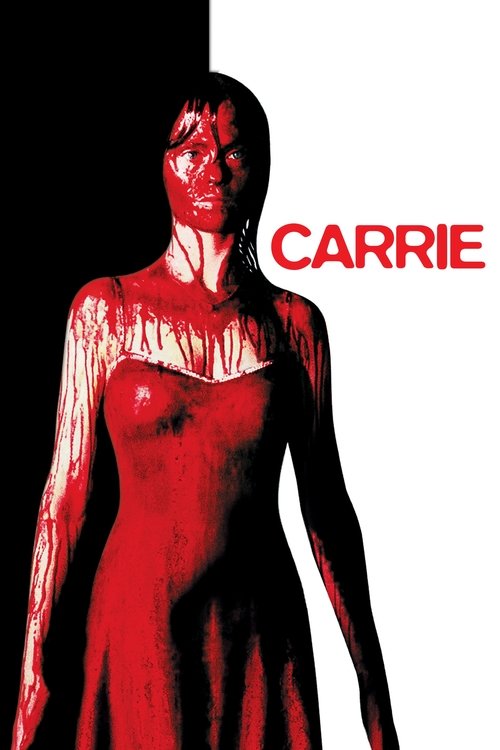
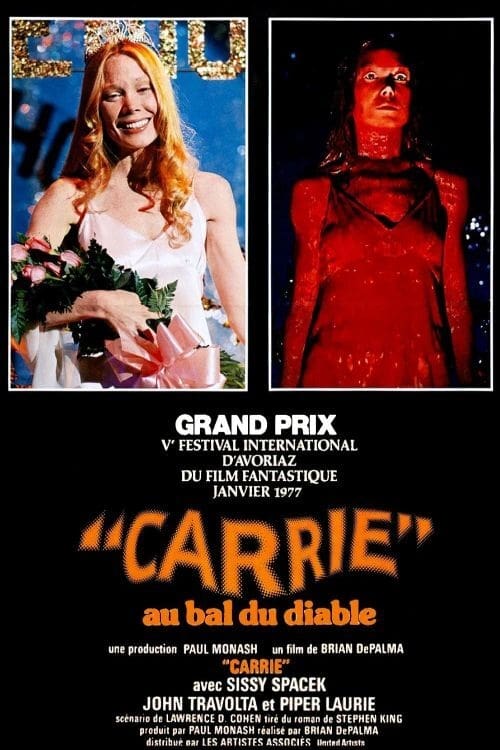
Carrie au bal du diable poster

CARRIE AU BAL DU DIABLE

Carrie

1976 US HMDB
novembre 3, 1976

Carrie est une adolescente torturée, mal dans sa peau et totalement ignorante de l’étendue de son pouvoir de télékinésie. Mais lorsque les brimades de sa mère, véritable bigote psychotique, et de ses camarades de classe sadiques dépassent les bornes, Carrie va laisser éclater la plus terrible des vengeances. Grâce à ses pouvoirs, cette adolescente autrefois timide va déchaîner les enfers autour d’elle dans un tourbillon de feu et de sang.

Réalisateurs

Distribution

👍 1 👎 🔥 1 🧻 👑 (2)

Commentaires

Commentaires (0)
Equipe

Production: Paul Monash (Producer)
Scenario: Lawrence D. Cohen (Screenplay)
Musique: Pino Donaggio (Original Music Composer)
Photographie: Mario Tosi (Director of Photography)

CRITIQUES (1)

Marco Castellini
Carrie est une lycéenne timide et complexe, tourmentée par une mère paranoïaque et fanatique et harcelée par des camarades de classe odieux et malveillants. La jeune fille n'est pas aussi sans défense qu'elle le semble, car elle possède des pouvoirs télékinétiques surprenants avec lesquels elle pourra se venger des abus subis. Tiré d'un roman de Stephen King et réalisé par le grand Brian De Palma, "Carrie" peut être tranquillement défini comme un classique du genre horreur, se révélant l'un des films les plus connus et appréciés dans l'histoire du cinéma d'épouvante. L'intrigue n'est jamais banale et offre de nombreux rebondissements psychologiques bien construits, la réalisation est superbement inventive et soignée dans les moindres détails (séquences multi-écrans, effets optiques, cadrages d'une grande force visuelle) ; le casting est également parfait, avec les interprétations captivantes de Sissy Spacek (Carrie White) et Piper Laurie (la mère de Carrie), qui leur ont valu à toutes deux une nomination à l'Oscar. L'ambiance typiquement scolaire est également excellente, où se racontent les relations entre les étudiants, en contraste avec l'atmosphère psychotique et terrifiante que vit Carrie à la maison, un environnement déformé, un antre maléfique, où la mère (une parfaite Laurie) joue un rôle aux contours démoniaques, qui trouve la fin appropriée dans une fin apocalyptique et digne d'un véritable film d'horreur. De l'"anthologie" de la suspense, certains moments : la scène du bal ou la séquence du rêve de Sue avec laquelle se termine le film, pour en citer quelques-uns. Un film absolument incontournable.
👍 👎 🔥 🧻 👑

Commentaires

Commentaires (0)
Où Regarder

Streaming

Amazon Prime Video Amazon Prime Video
Amazon Prime Video with Ads Amazon Prime Video with Ads

Louer

Apple TV Apple TV
Amazon Video Amazon Video
Rakuten TV Rakuten TV
Google Play Movies Google Play Movies
Timvision Timvision
Chili Chili

Acheter

Apple TV Apple TV
Amazon Video Amazon Video
Rakuten TV Rakuten TV
Google Play Movies Google Play Movies
Timvision Timvision
Chili Chili

AVIS DE LA COMMUNAUTÉ (4)

Cat Ellington

Cat Ellington

Carrie had been included on a list of great films to which my mother had taken my older brother and me to see upon their theatrical releases decades ago. And the memories of that long ago time will forever remain with me. Back when the Chicago Theater had still been a movie house, Carrie was the first film that my family and I had gone out on our weekly "Movie Date Night" to see. Good times. Gooood times. Carrie is an undisputed horror masterpiece. I still...get chills.

CinemaSerf

CinemaSerf

7 /10

Sissy Spacek is really good in this as the socially inept, psychologically tortured, girl living in the shadow of her overbearingly Christian mother, with few friends and some remarkable telekinetic powers. What ensues is a complex, at times convoluted, angst-ridden horror film that sees the best and worst of human nature - of all ages - depicted, as thoughtless pranks and humiliation become the order of the day with some chilling consequences. Piper Laurie is superb as the zealot mother, as is John Travolta as the odious "Billy" and the combination of Brian de Palma and Stephen King make for a compelling, multi-layered critique on many different aspects of intimidation, bullying as well as adding some genuinely scary moments too!

RalphRahal

8 /10

Brian De Palma's Carrie (1976) remains an iconic adaptation of Stephen King's novel, blending psychological horror with deeply human themes of alienation and vengeance. The film’s portrayal of high school life, social cruelty, and supernatural terror is deeply affecting, resonating with audiences even decades later.

From its infamous opening locker room scene to the chaotic prom climax, De Palma's direction demonstrates a masterful control of mood and pacing. The visual style, characterized by long takes, slow motion, and the daring use of split-screen during the prom sequence, creates a cinematic experience that is both intimate and expansive. These techniques pull viewers into Carrie’s inner world while amplifying the horror of her ultimate revenge.

The production itself is a marvel for its time, achieving a balance between the surreal and the real. The careful choreography of the prom scene, where chaos is unleashed in a ballet of destruction, reflects De Palma’s meticulous eye for detail and his ability to innovate under pressure. It’s worth noting that some of the film's most memorable sequences, like the split-screen prom massacre, arose out of budgetary constraints—proving De Palma's ability to turn limitations into creative triumphs.

The performances elevate the material further, with Sissy Spacek's portrayal of Carrie standing out as both vulnerable and haunting. The supporting cast effectively embodies the oppressive social dynamics of high school, creating a believable and suffocating environment for the protagonist.

Understanding De Palma’s personal history adds another layer to the film’s intensity. His exposure to the visceral realities of his father’s work as a surgeon shaped his comfort with the graphic and the grotesque, evident in the film’s bloody moments. Additionally, De Palma's own experience trailing his father to uncover an affair—an event he later described as formative—infuses his work with themes of voyeurism, psychological tension, and human frailty. These personal elements lend Carrie a raw authenticity that transcends its horror genre trappings.

Despite the controversy surrounding its explicit content, Carrie avoids gratuity in favor of storytelling. De Palma’s bold choices underscore the film’s central themes rather than overshadow them, making it as much a character study as a tale of terror. The film's success helped cement his reputation as a provocative yet deeply skilled filmmaker, unafraid to explore the darker corners of human experience.

Revisiting Carrie highlights why it remains a classic. Its blend of compelling performances, innovative cinematography, and psychological depth sets it apart not only from other adaptations of King’s novel but also from modern horror films attempting similar themes. De Palma’s ability to channel his personal experiences into his art gives Carrie an emotional resonance and cinematic flair that continues to captivate audiences.

Alunauwie

8 /10

Carrie (1976) presents a chilling adaptation of Stephen King's novel, with Sissy Spacek delivering a powerful transformation as the troubled teen. Despite less emphasis on supernatural tension compared to the 2013 remake, the film offers natural performances, solid cinematography, and a hauntingly memorable conclusion.

Read the full review here: (Indonesian version : alunauwie.com) and (English version : uwiepuspita.com)

Avis fournis par TMDB