


The Verdict
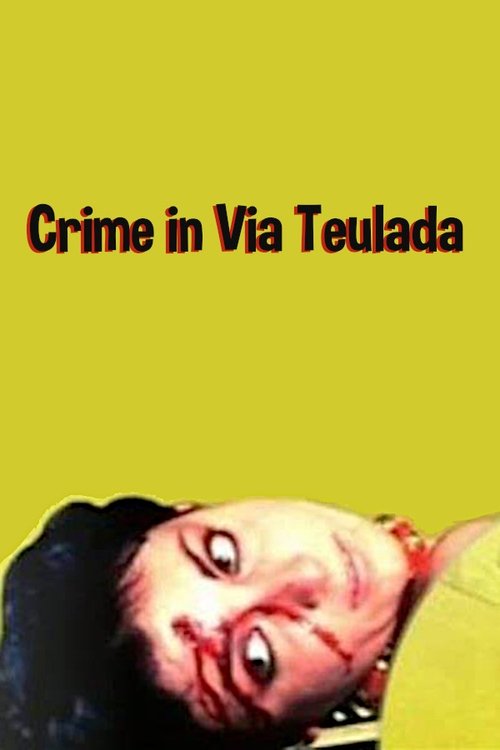
Roma, RAI production center in via Teulada. After the live broadcast of the Variety show, one of the showgirls is brutally murdered and her body hidden in a recording room.
Roma, RAI production center in via Teulada. After the live broadcast of the Variety show, one of the showgirls is brutally murdered and her body hidden in a recording room. The disappearance of the girl mobilizes some of her colleagues who are convinced that something has happened to her. Meanwhile, the mysterious killer continues his deeds by targeting another showgirl from the show.
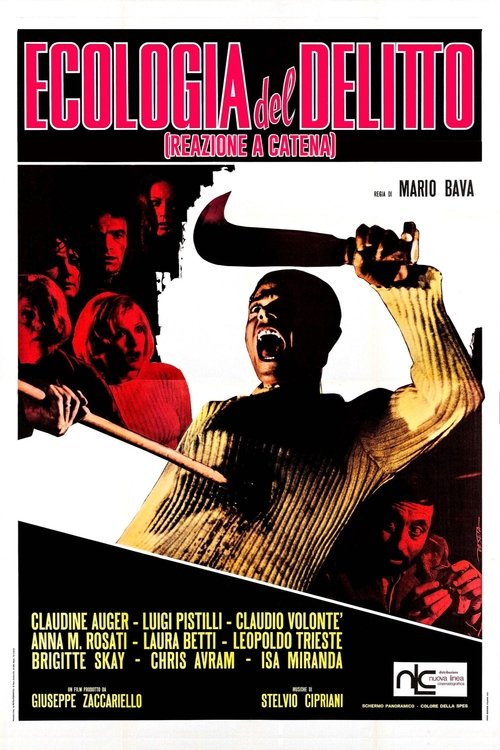
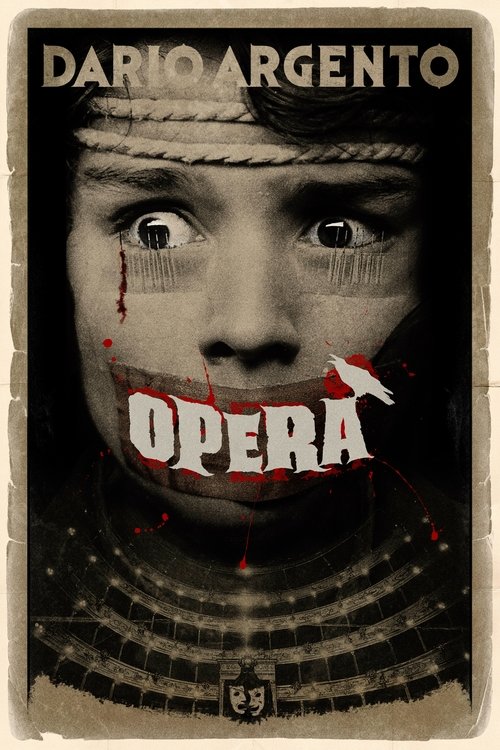
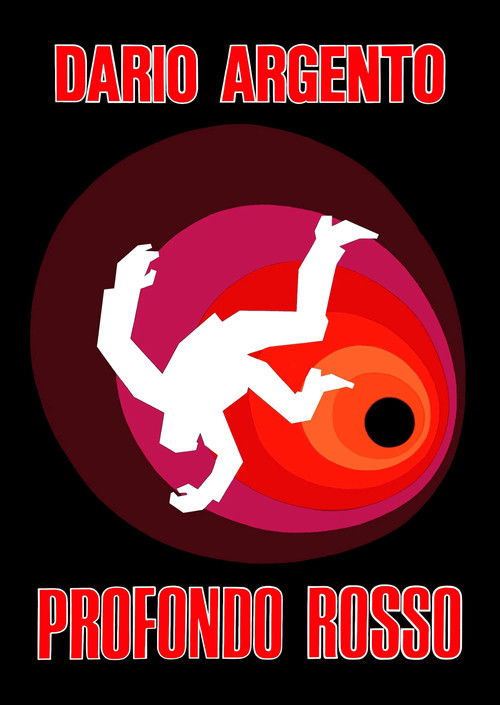
At the end of the 1970s, Italian public television began to feel the pressure of local TV stations, which within a few years would effectively end the monopoly that saw RAI as the sole actor on the national television scene. The tastes of the public and their ways of "consuming" television were changing profoundly, and the end of Carosello in favor of commercials as well as changes in the programming itself were clear signs of this. In this context, it was not uncommon for RAI productions to engage in experimentation and genre contamination, leading to the birth of small anthology series and TV movies infused with mystery and blood that echoed the atmospheres of Argentinian thrillers, very popular at the time. For the most part, these were natural evolutions of the "noble" mystery drama, of which "Il segno del comando" and "Ritratto di donna velata" were among the happiest and most successful representatives, but which nevertheless assumed the form of hybrids in their desire to evoke themes and suggestions of spaghetti thrillers. In this regard, the four-part anthology series "La porta sul buio," conceived by Dario Argento, and "I giochi del diavolo – Storie fantastiche dell’Ottocento," in which Mario Bava also participated, were emblematic. This small trend also includes "Delitto in via Teulada," a TV movie directed in 1979 by Aldo Lado and intended to be part of a further series of which today the outcomes are almost extinct.
"Delitto in via Teulada" presents itself as an even more anomalous hybrid than its more direct relatives mentioned above because it combines a very clear cinematic inspiration with an original reference to the world of television in which it was born. One can calmly speak of a metatelevisual experiment, and the free and continuous intertwining between the world of fiction and that of television variety is the clearest example, making the faces dear to the television public (from Baudo to the Kessler sisters, passing through Rascel and I Gatti di Vicolo Miracoli) extras within the thriller not dissimilar from the crowds of onlookers who gather around the crime scene in the presence of the police. Lado used snippets of "Variety" but the recycling work is not intrusive; on the contrary, it helps to create a perfect contextualization that would otherwise have been difficult to achieve, leaving the modern viewer with a small testimony of what television was like thirty years ago, curiously and unsettlingly populated by many of the same faces that still appear in prime-time television today.
The giallo story that represents the core of the film is rather predictable and shows a somewhat embarrassing debt to the cinema of early Argento, although the recurrence of certain tropes was almost an indispensable characteristic of the genre; however, the setting in the RAI studios and the metatelevisual game that turns the small-screen starlets into victims is original and represents an interesting variant within a genre that in 1979 had practically said everything, often repeating itself without imagination.
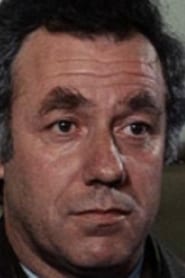
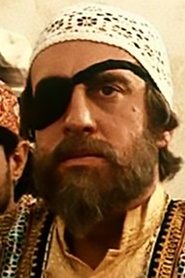
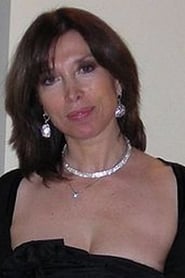
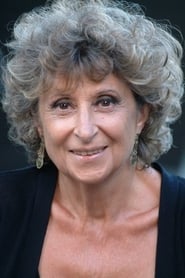
Despite the obvious debt that Lado ("L’ultimo treno della notte"; "La corta notte delle bambole di vetro") pays to a staging that reminds one of Dario Argento’s directorial solutions, almost to the point of thinking of a deliberate citation, the director nevertheless demonstrates perfect mastery of his craft, bringing to the stage some scenes charged with tension that reach their climax in Barbara D’Urso’s (yes, it’s her, a very young actress in a prominent role) flight, very similar to the one that will see Jenny McCarthy as the protagonist twenty years later in "Scream 3" (which, by the way, featured a very similar metatextual game, only with the variant of the world of cinema!). The rest of the cast includes names dear to the genre such as the Fulcian Auretta Gai ("Zombi 2") and Pietro Brambilla ("La casa dalle finestre che ridono") to which are added Antonio Petrocelli and Giuseppe Pambieri. Music by Fabio Frizzi.
"Delitto in via Teulada" is a pleasant variant of the spaghetti thriller, incorporating all its clichés and conducting a functional metatelevisual discourse that today appears as an interesting precursor of modern languages. Difficult to find, but it’s worth the effort.
Comments
Comments (0)
Comments