






The Verdict
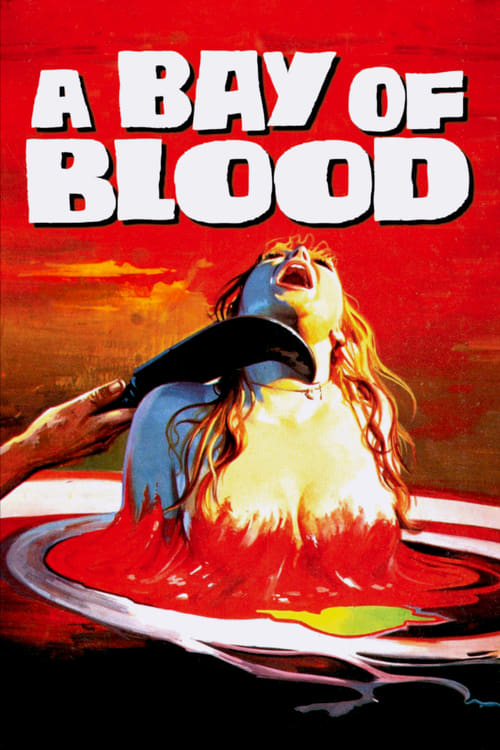
An elderly countess living in a quiet bay is murdered by a shadowy figure whose face remains unseen. Moments later, the killer himself is struck down by another person, hidden from view.
An elderly countess living in a quiet bay is murdered by a shadowy figure whose face remains unseen. Moments later, the killer himself is struck down by another person, hidden from view. The bay is desperately coveted by several people—particularly an architect, a local fisherman, and other families—all consumed by the same obsession to own the property. It is this ruthless struggle for possession of the bay that unleashes a deadly spiral of brutal murders. Survival is left to chance.
We are witnessing the most savage and bloodthirsty work directed by our master of gothic horror, Mario Bava. A group of businessmen and ordinary people, morbidly obsessed with acquiring this sprawling bay, will trigger a genuine massacre, embodying the very essence of human savagery. "Whoever kills gets killed, no one is innocent, everyone carries their own guilt, and so everyone dies." Mario Bava, after directing acclaimed films including "Operation Fear" and "Black Sabbath," crafts a remarkable cinematic achievement.
With this film, the director from Sanremo pioneered the slasher-movie subgenre—first explored in the masterful "Six Women for the Assassin" and later imitated by American horror films (notably the "Friday the 13th" franchise).
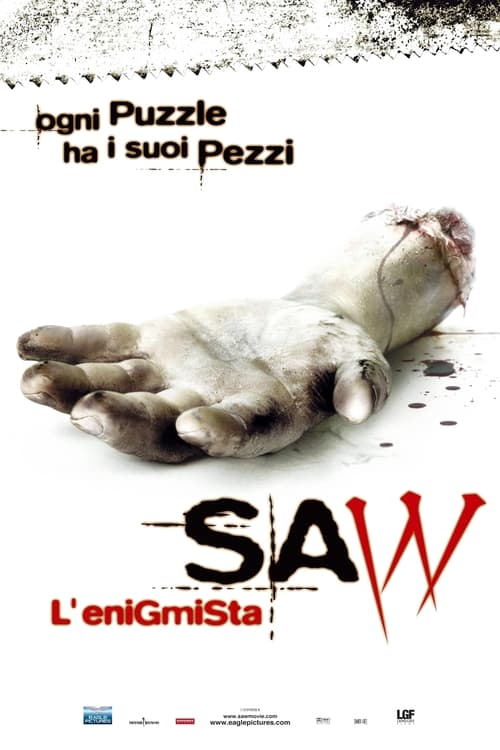
"Reazione a catena," released in the US as "Bay of Blood," is packed with murders—13 in total, executed in the most gruesome and inventive ways imaginable for its time. In staging these horrific crimes, Bava introduces original techniques: the camera lingers on the dying victim; it then reveals the killer, only for another mysterious figure to claim their life. The ending subverts the "survival of the fittest" rule—the bay becomes merely a children's playground.
The technical execution reflects the director's mastery; a striking element is the use of focus shifts and zoom effects to highlight crucial details, with what appears to be sunlight actually revealing the killer's eye as they spy on their next victim.
The film fundamentally celebrates nature, employing natural lighting and frequent twilight vistas that envelop the bay. The cast features strong performances, particularly Luigi Pistilli's commendable turn as Alberto and Dardano Sacchetti's impeccable screenplay.
Inexplicably undervalued and neglected by the home video market—unavailable for years on VHS—"Reazione a catena," subtitled "Ecology of Crime" in its Italian release, stands as a cornerstone of the slasher genre and one of its most influential pioneers.
Comments
Comments (0)
















Comments